19 Mar, 2026
Last Updated: 14 Apr, 2026
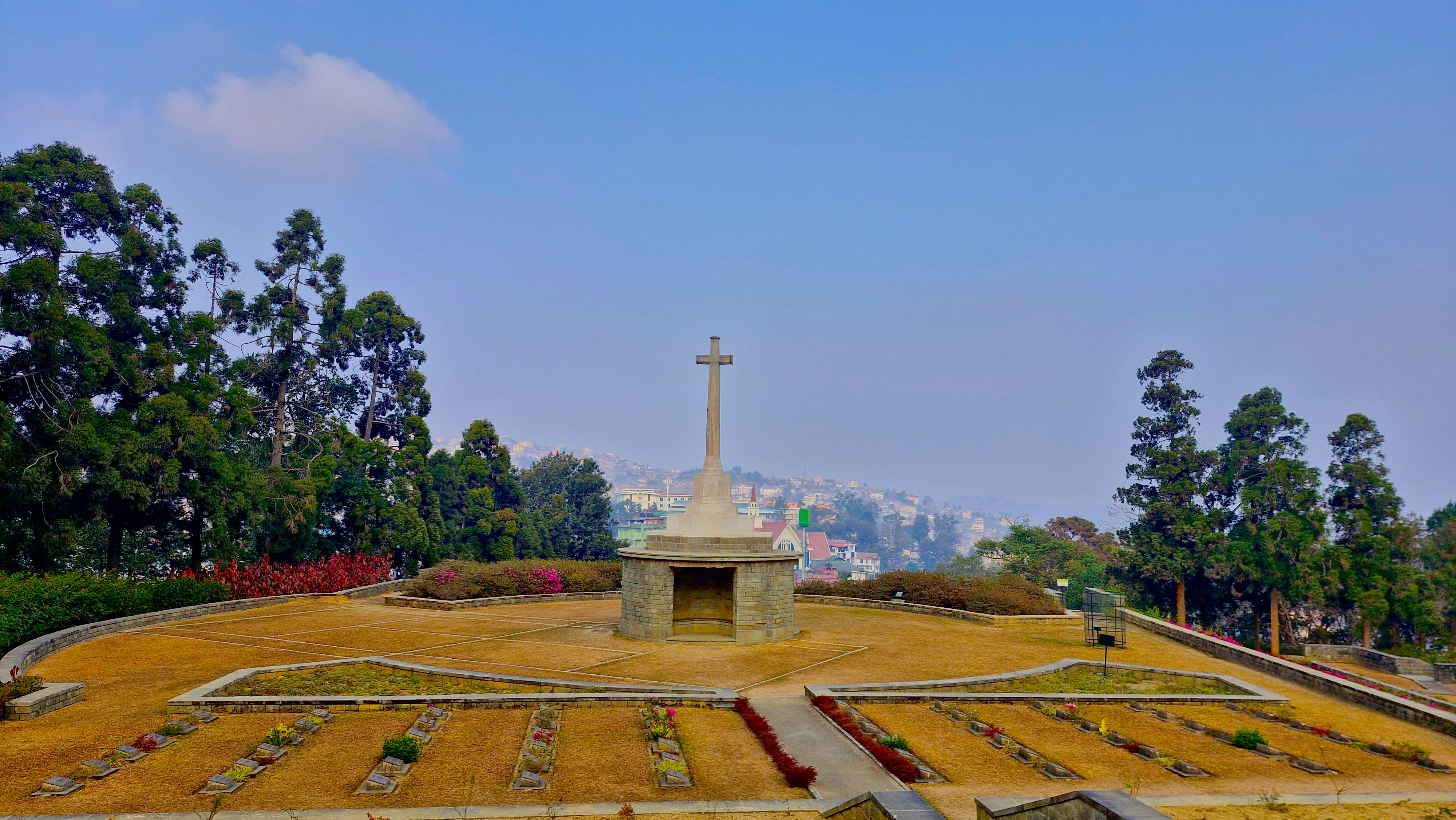
Kohima is often reduced to a pause. For most travelers moving through Nagaland, it appears briefly on itineraries—usually as a halt before heading toward the iconic Dzüko Valley. A night in the town, perhaps a quick visit to the Kohima War Cemetery or Nagaland State museum, and then onward again.
I arrived in much the same way, without the intention to stay. But it doesn’t go as per plans most of the time. It happened to me there. The Dzüko Trek was closed due to ongoing wildfire.
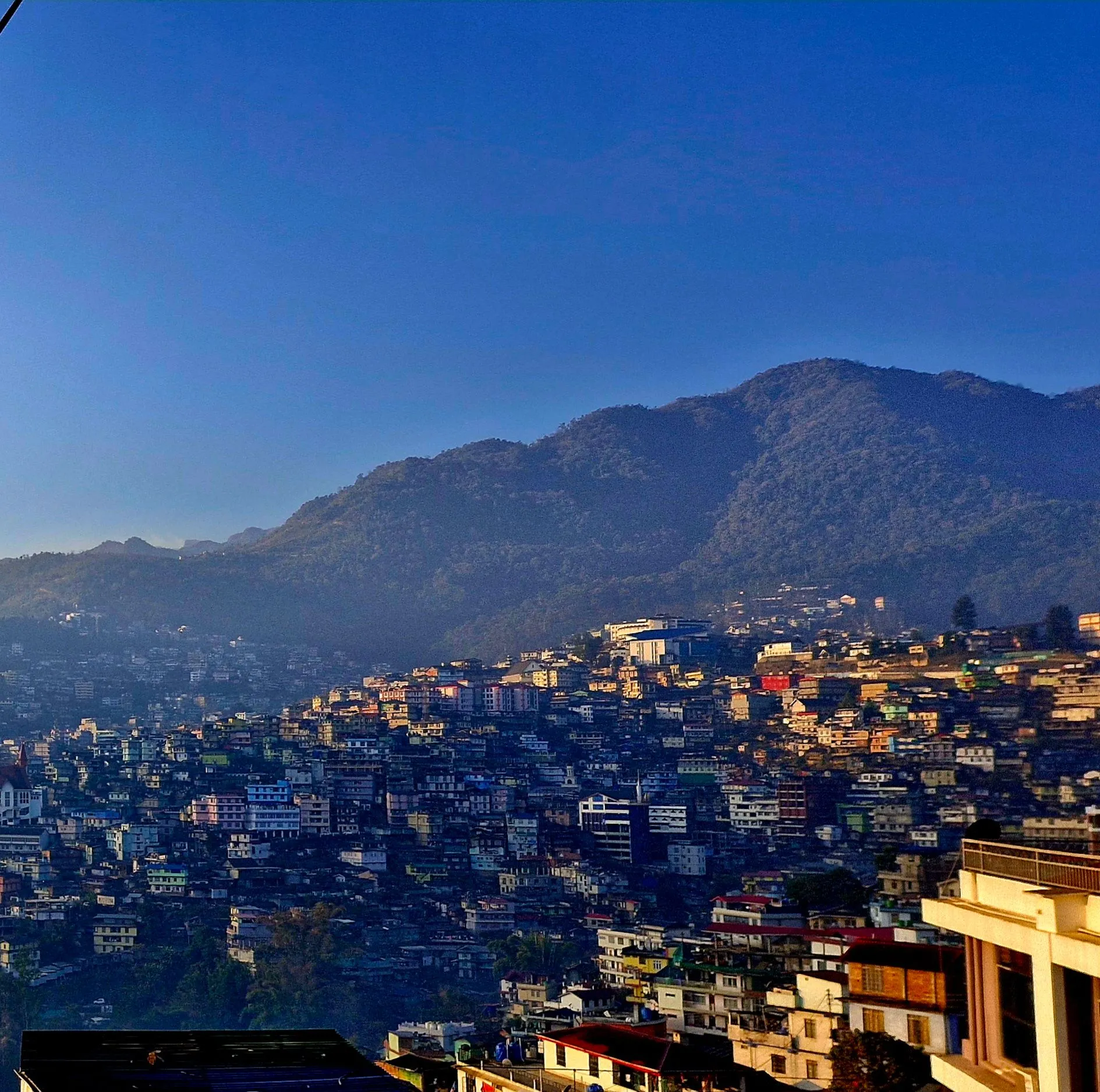
But Kohima did not reveal itself in a hurry. There was nothing immediately striking, no singular landmark that explained the place. Instead, it unfolded in fragments—roads that sloped without warning, homes layered into the hills, and streets that felt active yet never chaotic.
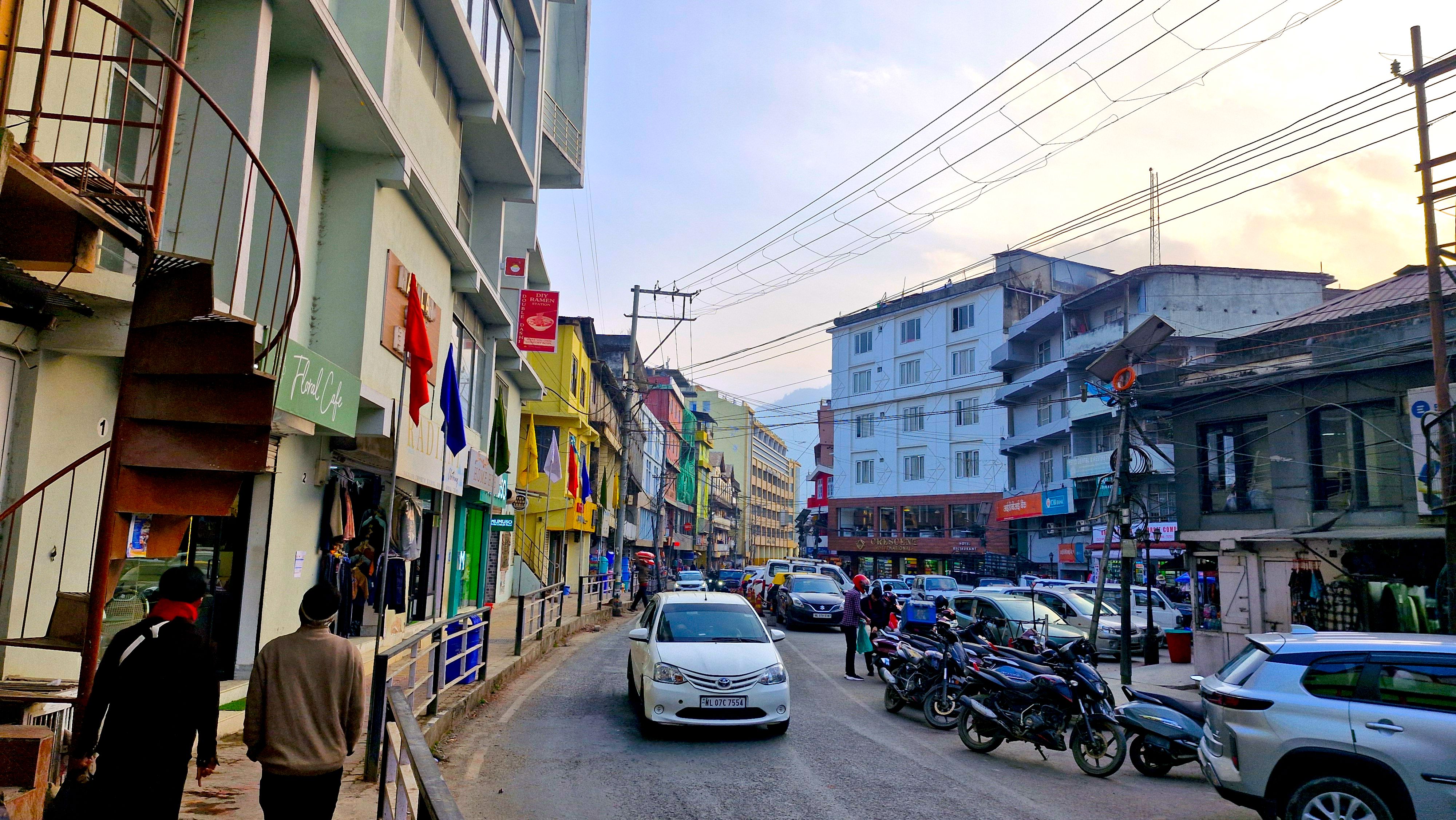
For the first couple of days, I found myself walking the same stretches between BOC and Razhu Point, almost expecting the town to eventually present something new.
It didn’t.
And yet, something began to shift—not in the place, but in the way I was seeing it.
The repetition that initially felt unnecessary slowly started to make sense. The more I walked, the less I was looking for something to happen, and the more I began to notice what was already there.
Kohima does not offer highlights in the conventional sense. It offers patterns. And patterns, unlike attractions, require time.
What began to stand out most was the way time itself was experienced here.
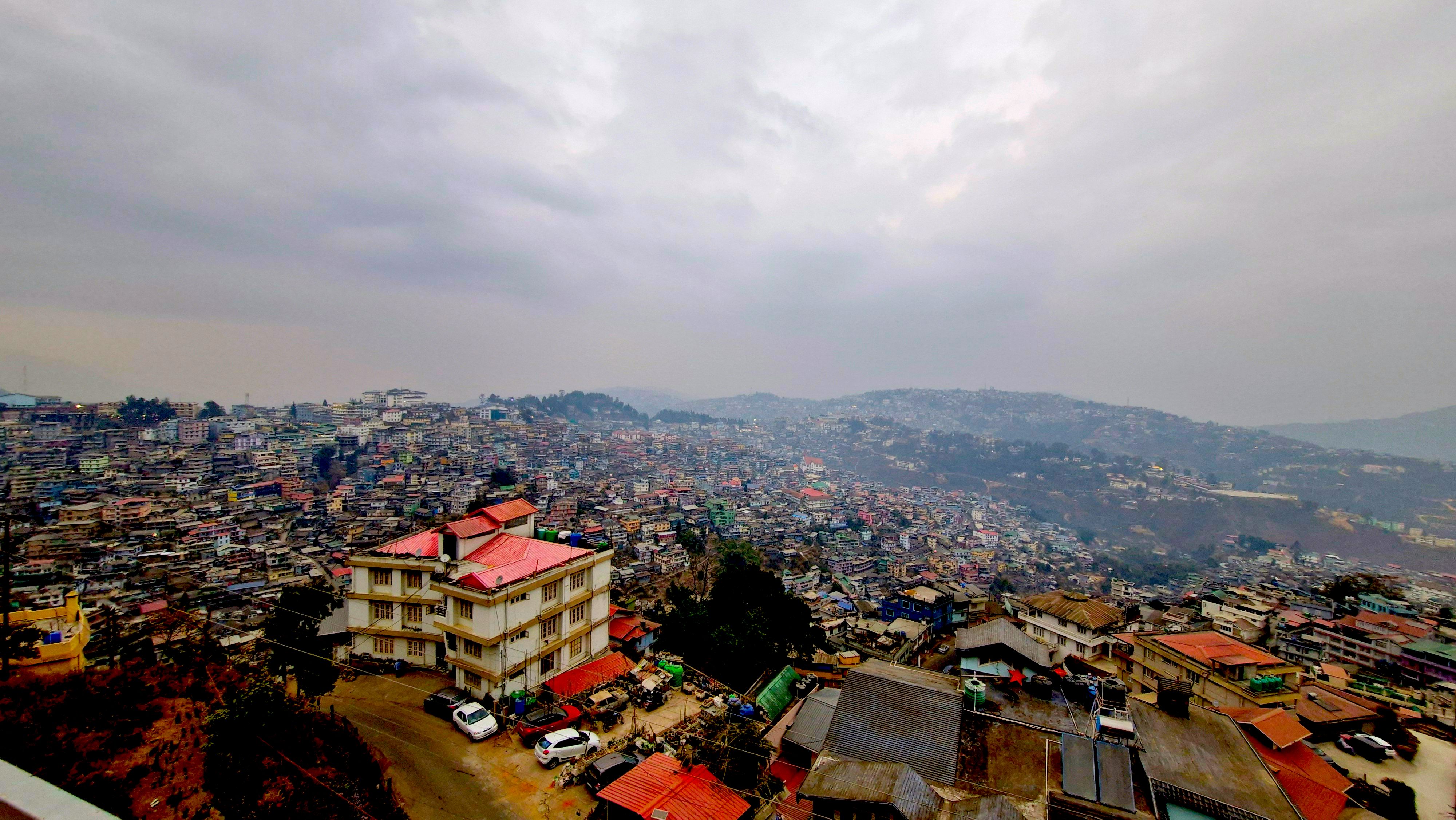
In most cities, time behaves like pressure—it compresses, accelerates, and constantly demands movement. In Kohima, it felt different. People moved with purpose, but without urgency. Conversations stretched without being rushed, and pauses did not feel inefficient.
There was an absence of that constant push to optimize every moment, and being in that environment made it difficult not to question how normal that pressure feels elsewhere.
This difference became even more visible in the evenings.
Around 6 pm, shops and even eatery joints would begin to close. In another place, that might signal the end of activity, but here it felt more like a transition. One evening, I stood watching as shutters came down, expecting the streets to empty.
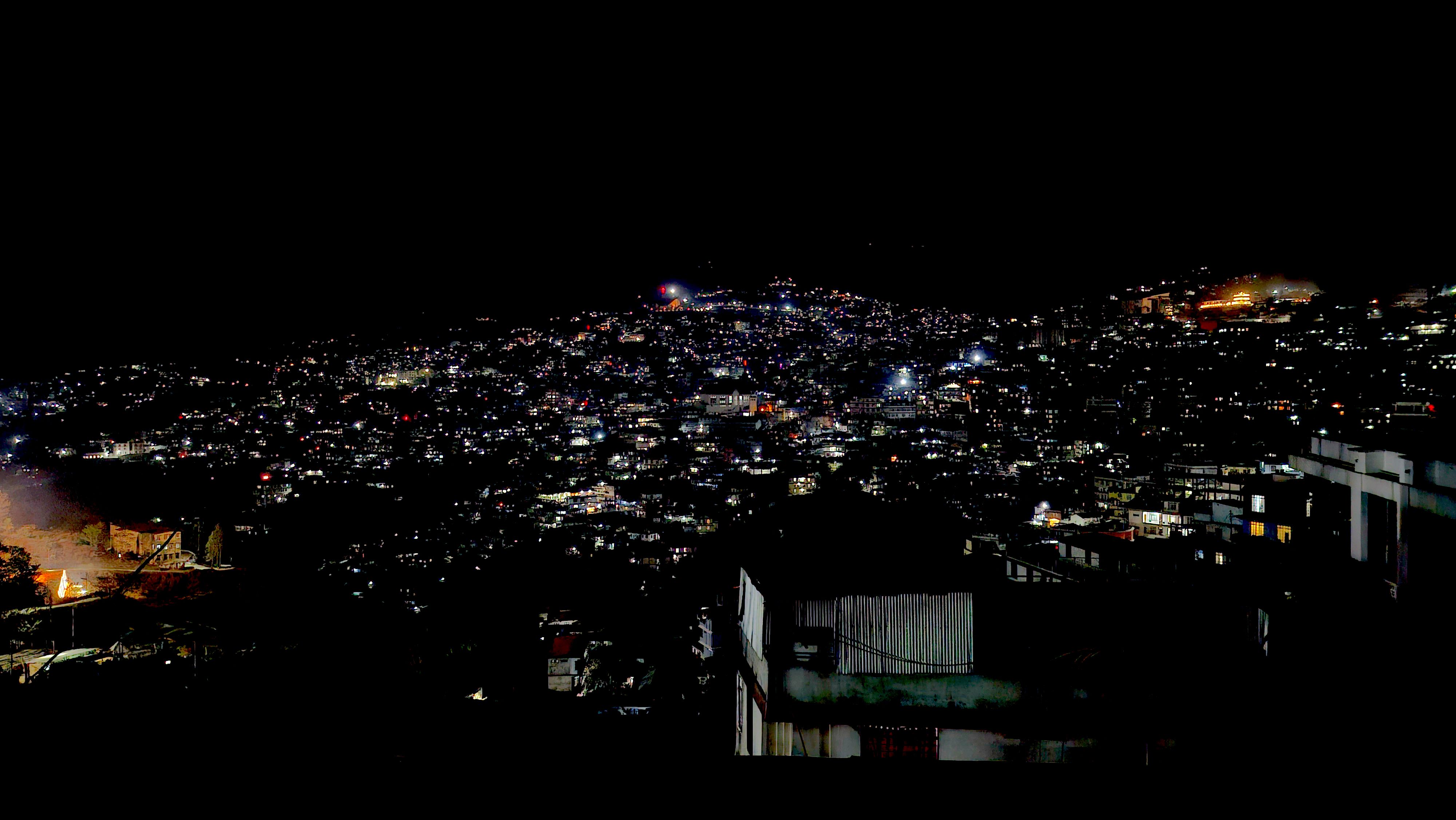
Instead, the town seemed to turn inward.
Homes lit up, small groups gathered, and the rhythm softened. There was no visible urgency to extend the day, no anxiety about stopping. It felt complete, as though the day had reached a natural limit.
It is difficult to understand Kohima without acknowledging the Angami presence that shapes it.
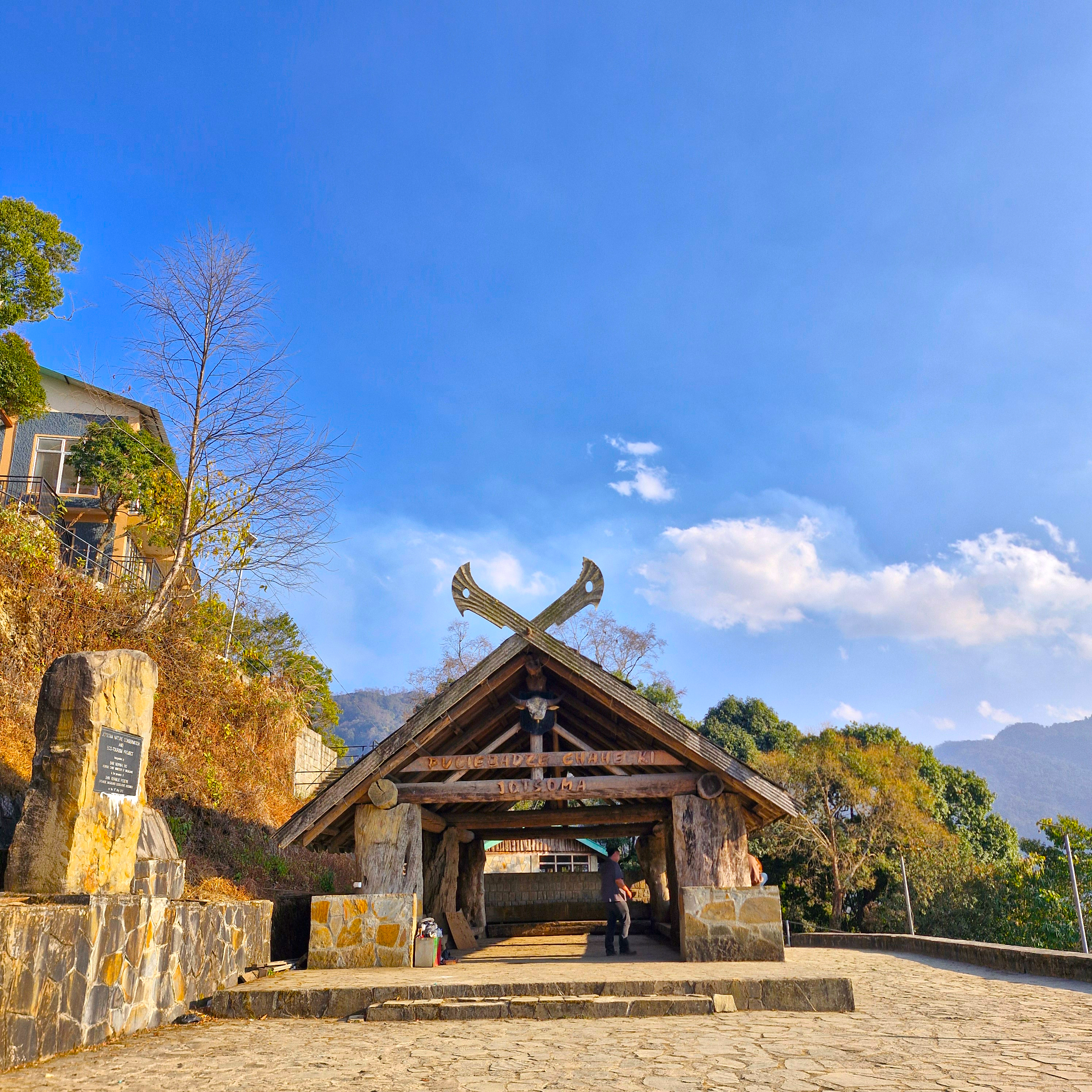
Before becoming the capital of Nagaland, this region existed as an Angami tribe’s cultural landscape, and that foundation still lingers—not in obvious displays, but in the structure of everyday life.
The way time is held, the way community appears in small, consistent ways, and the boundaries between work and life all reflect a system that feels stable and self-regulating. Even as multiple Naga tribes now live here, that underlying rhythm remains.
Walking became the most meaningful way to experience that.
The stretch between BOC and Razhu Point, which initially felt ordinary, began to reveal a certain coherence the more I returned to it. Nothing about it was designed to impress, and perhaps that is why attention settled more naturally.
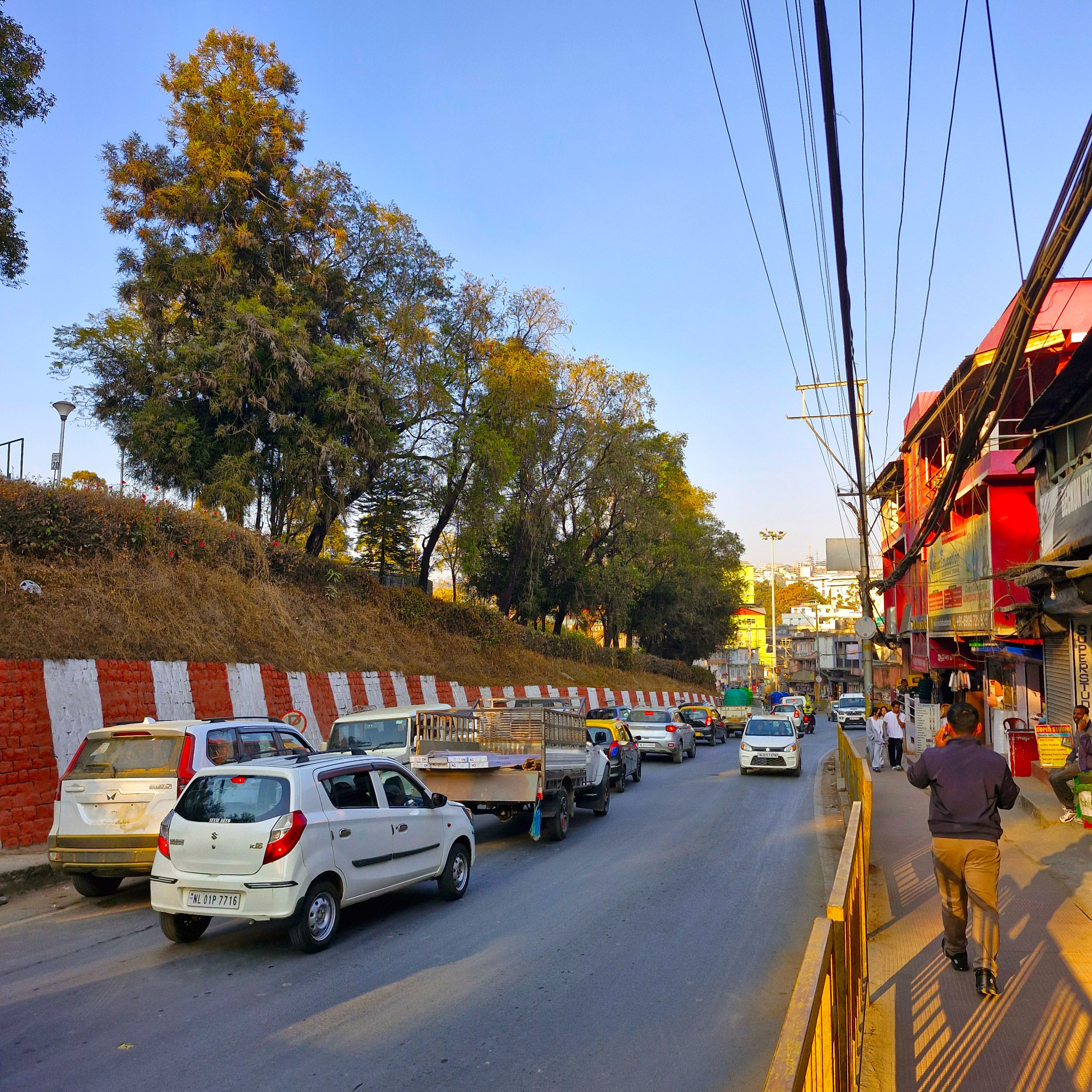 Without distraction, you begin to notice balance—the way administrative spaces and residential areas coexist, and how traffic movement flows without becoming chaotic and no honking.
One evening, without planning to, I found myself walking through the uphill slopes of AG Colony toward the Cathedral.
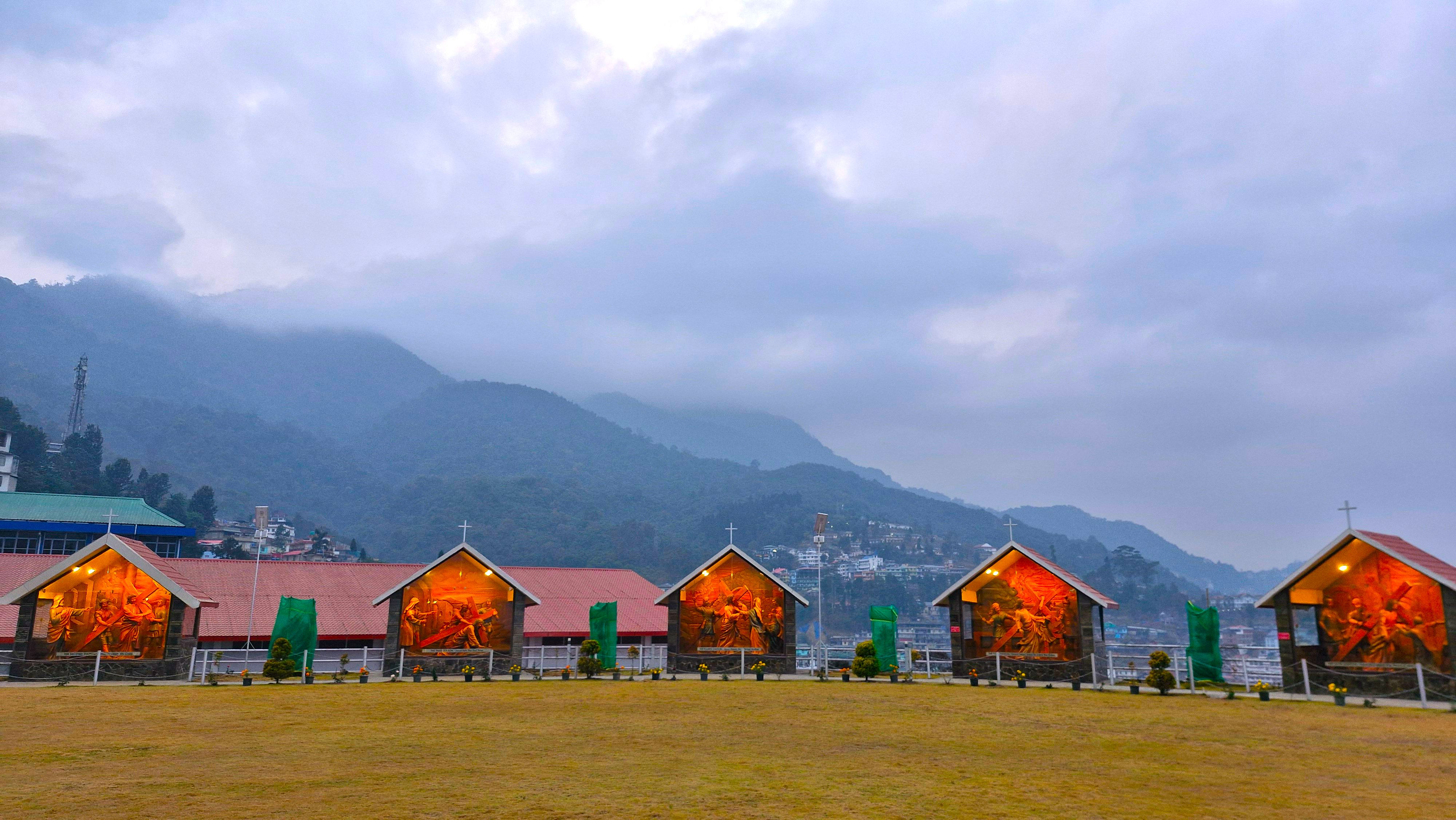 As the light softened over the hills and the surroundings grew quieter, the space seemed to detach slightly from the rest of the town. There was nothing dramatic about it—with the church bells ringing in the background, just a subtle shift in atmosphere that lingered longer than expected.
The same quiet continuity appears in places like the Mao Market.
Spending time there does not feel like visiting a place; it feels like stepping into something already in motion.
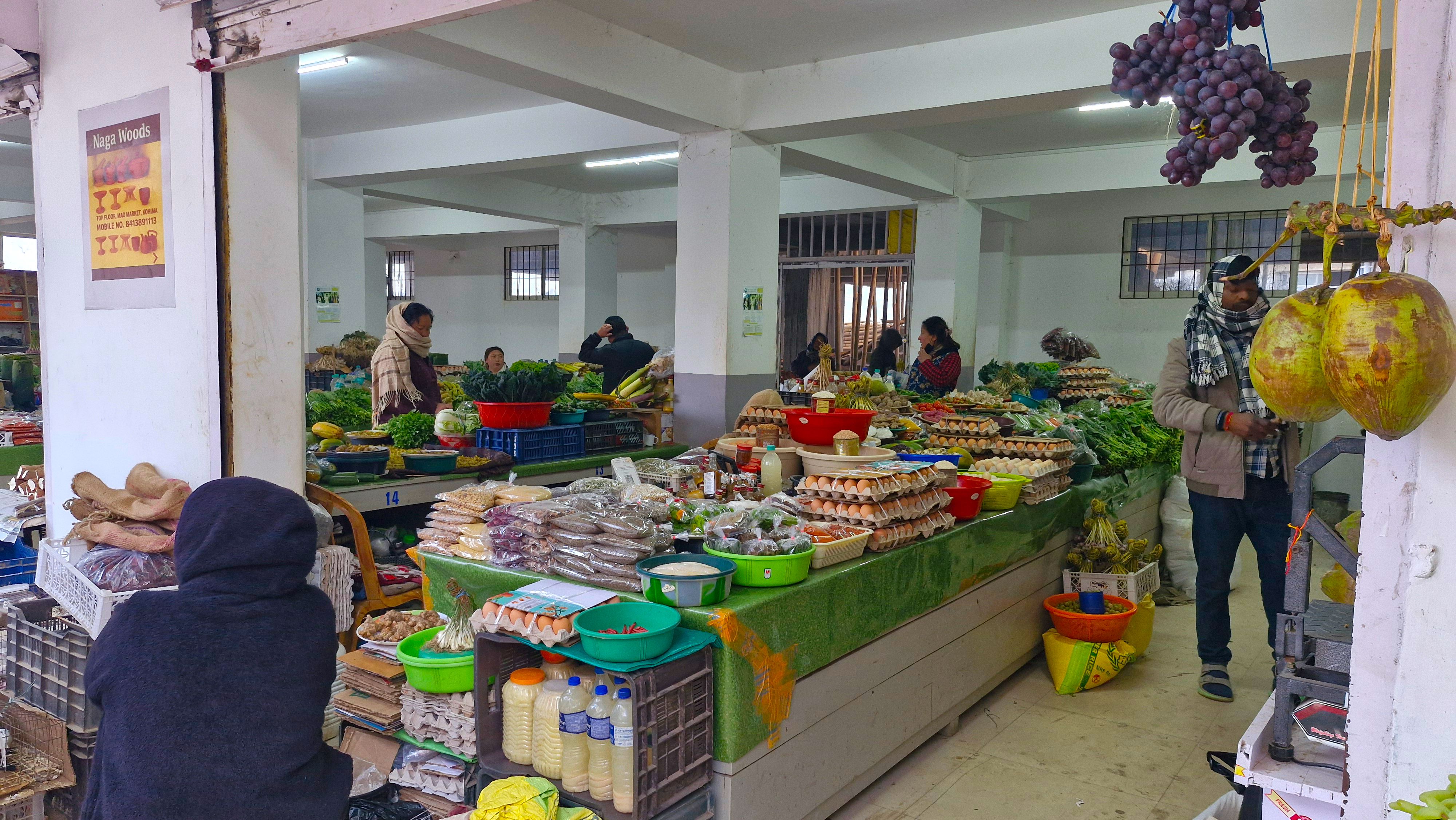 The market, largely run by women, reflects a food system that is local, seasonal, and functional rather than curated.
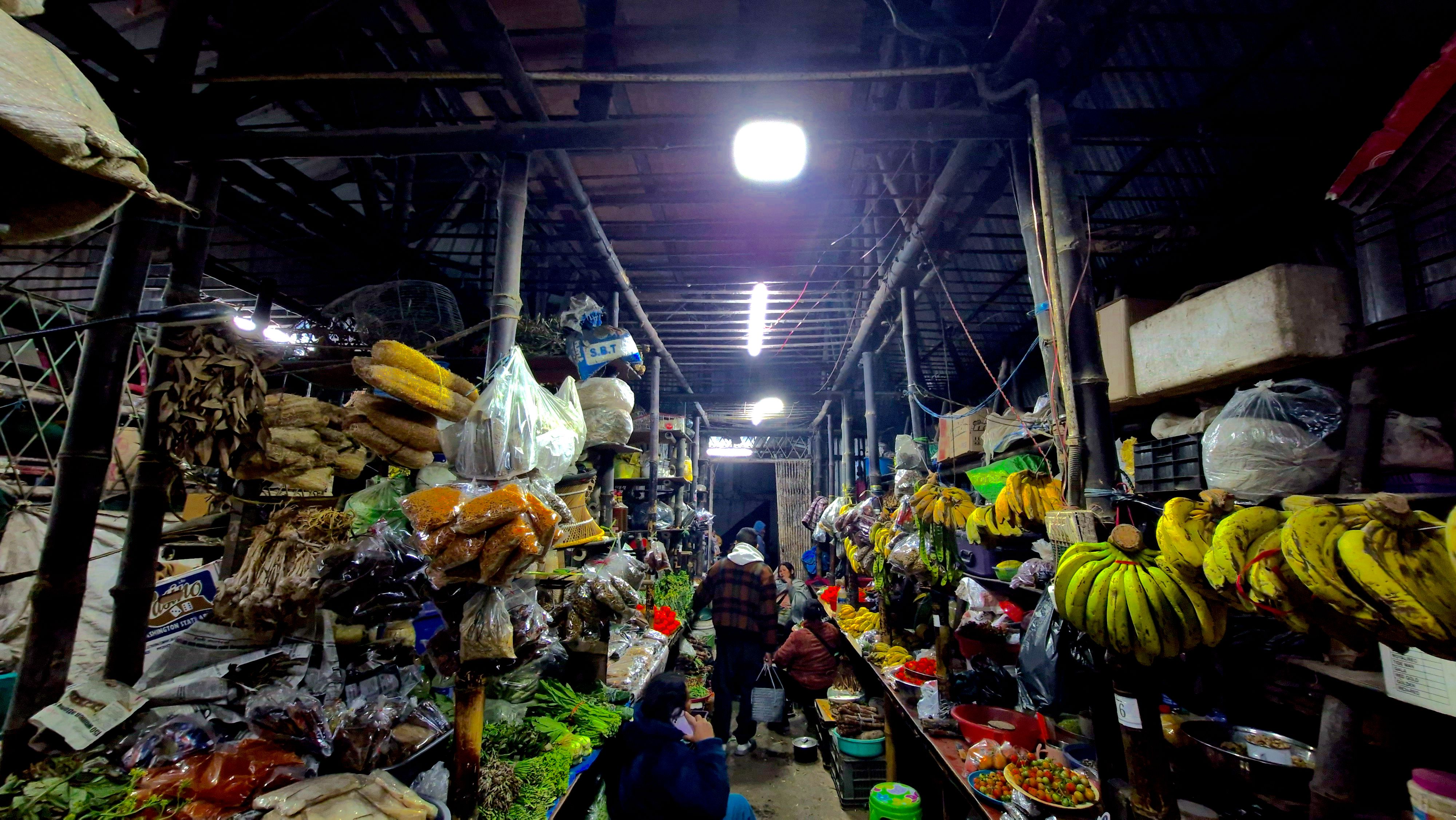 Nearby, the century-old bamboo market still stands with quiet resilience. It does not present itself as heritage—it simply continues, carrying memory through use.
Evenings often led me to the Eco Park Kohima, where people gathered without any visible structure.
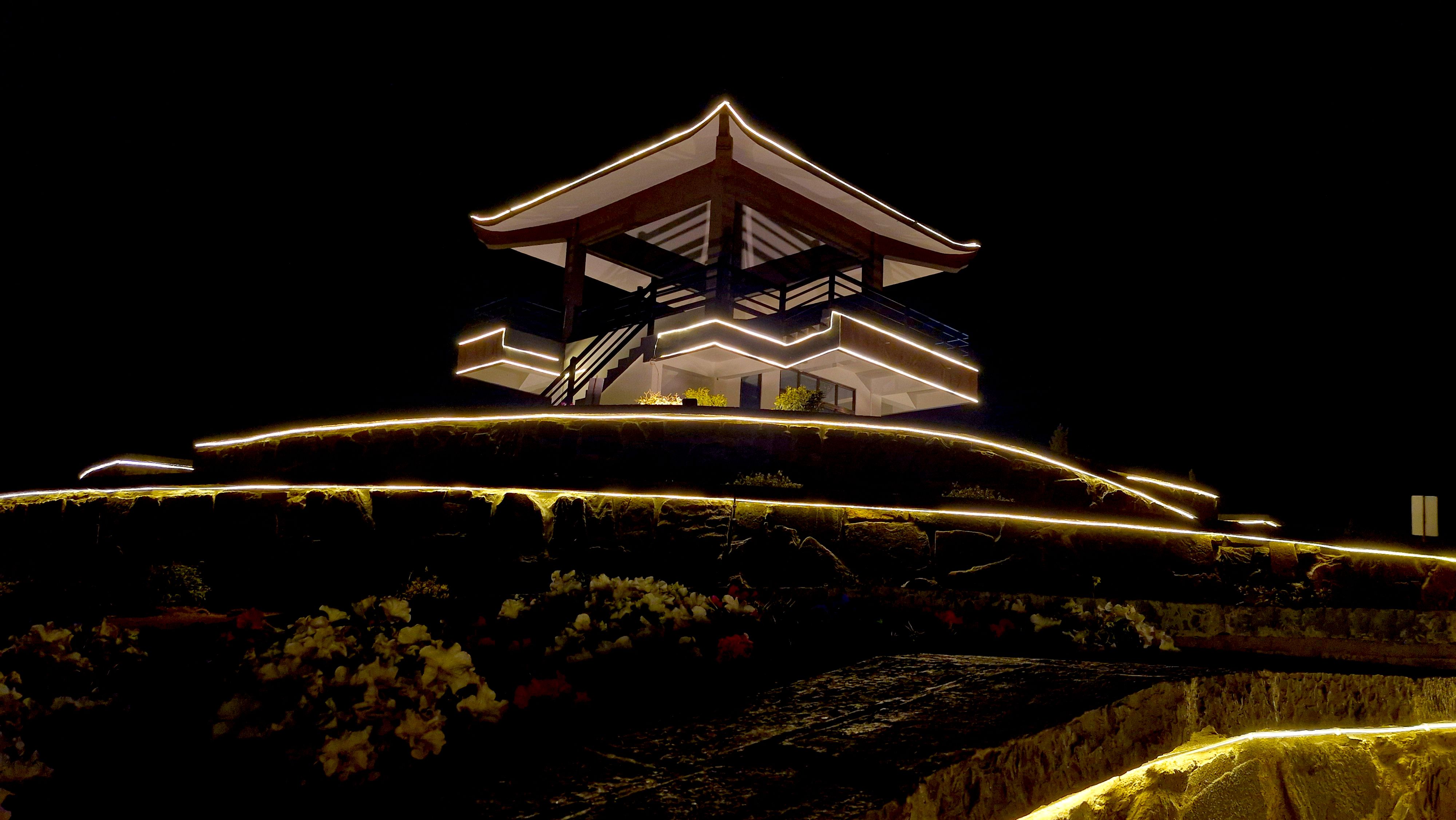 Conversations unfolded in small groups, families spent time together, and nothing seemed particularly planned. It was here that the idea of social life being habitual, rather than event-driven, became more apparent.
Interactions in Kohima take time.
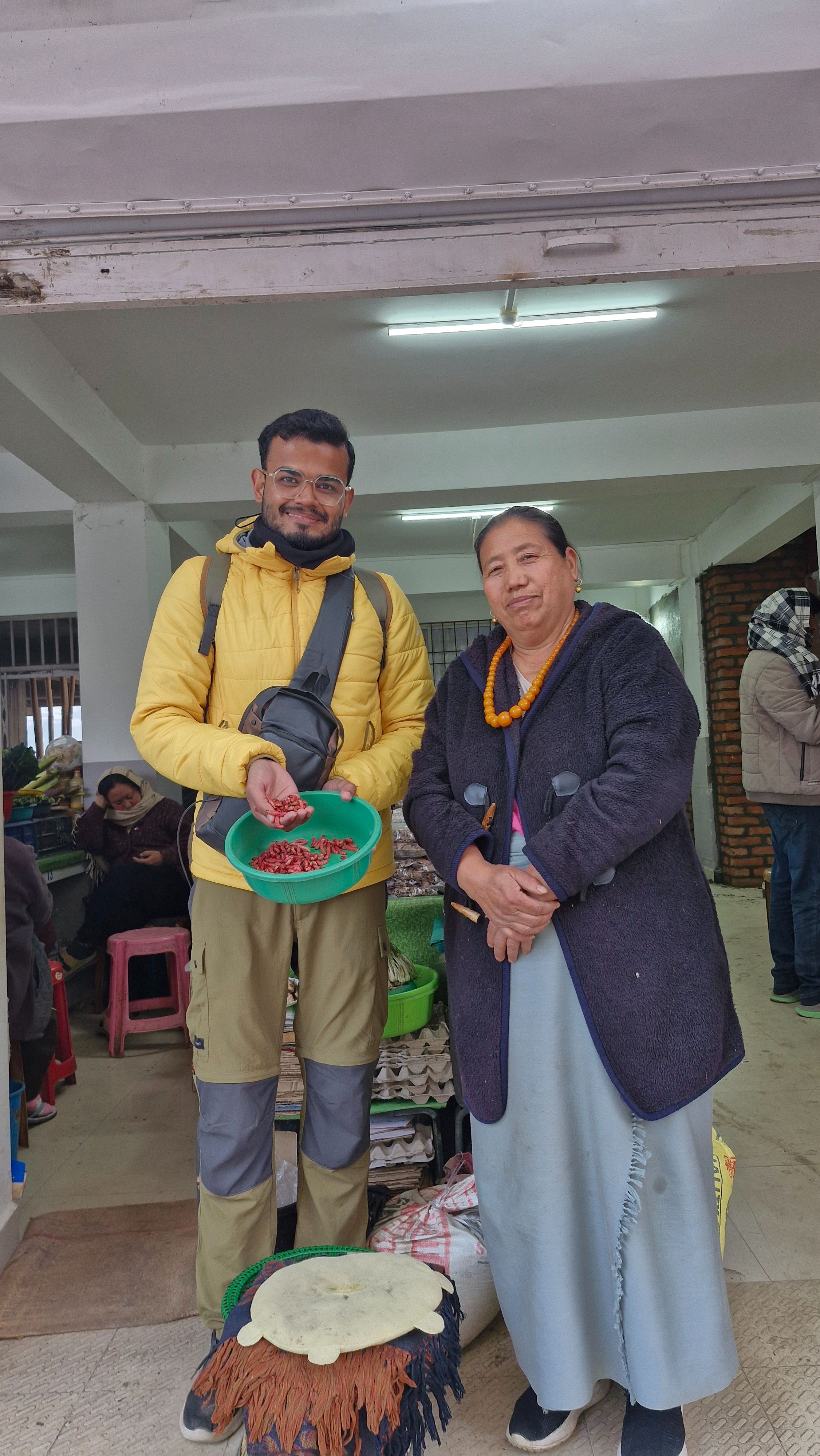
People are not unwelcoming, but there is a noticeable reserve—a sense that familiarity is not immediate, but something that develops gradually. Once it does, it feels more grounded, less performative.
At the same time, there are subtle shifts taking place.
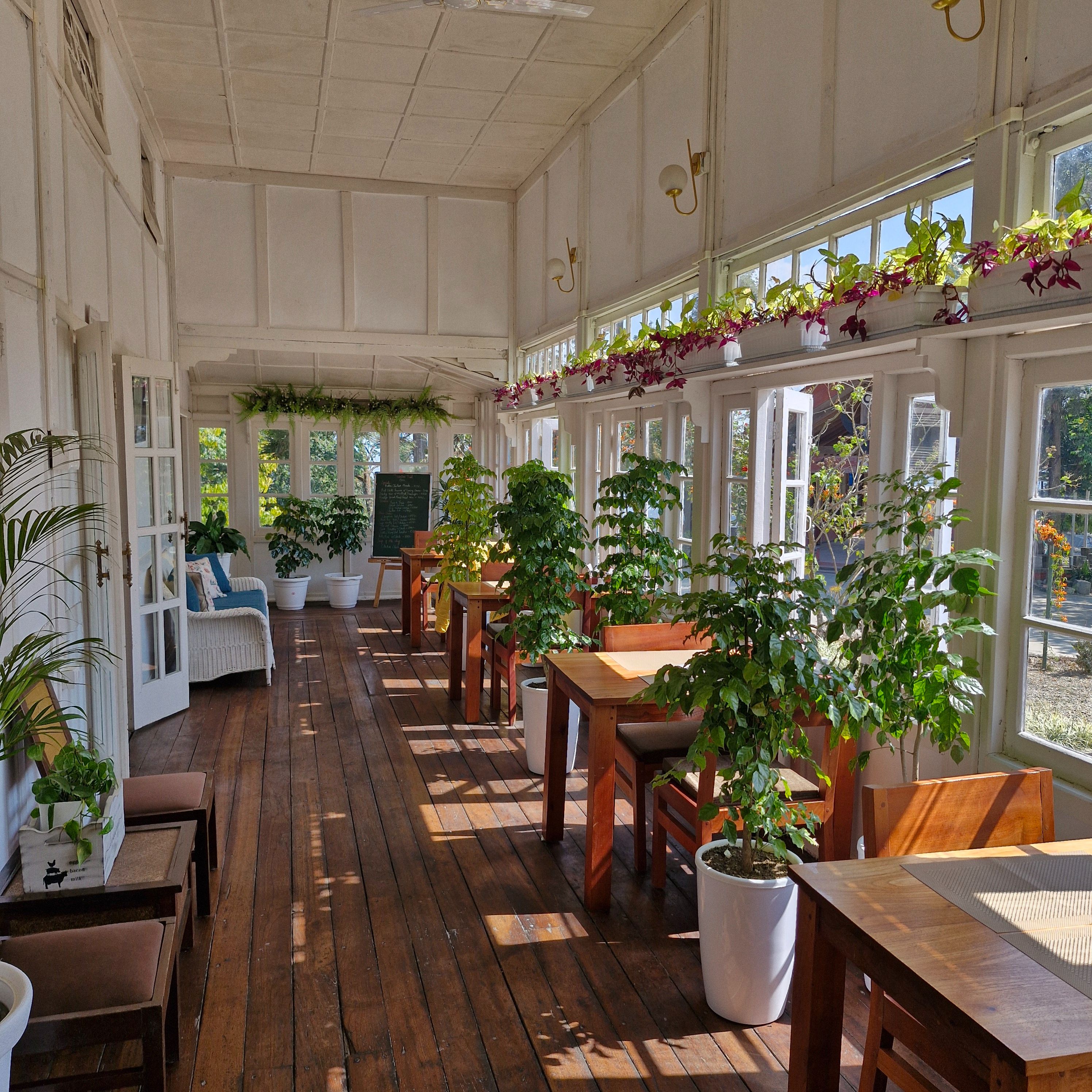 The café culture in Kohima reflects a younger generation shaping new spaces—artsy, thoughtful, and quietly expressive.
 The brews from the indigenous Nagaland coffee beans, confectionery items in these cafés do not replace the existing culture but extend as an amalgamation of the past and the present.
Food carries this depth too.
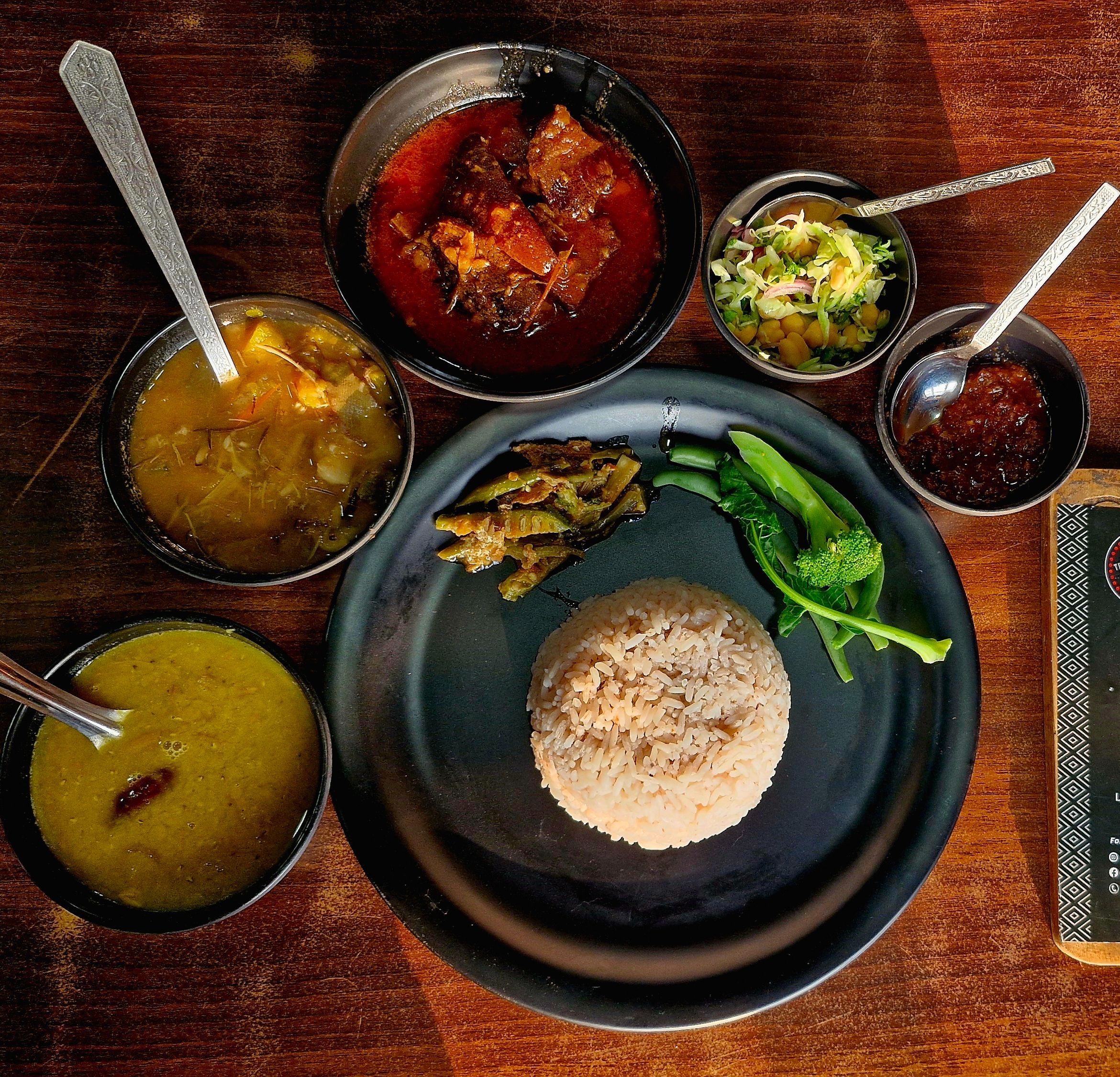 A traditional Naga thali, with elements like axone and anishi, is not something you immediately understand. The flavors are strong, fermented, and rooted in preservation.
It takes time. But once it settles, it changes how you relate to food itself.
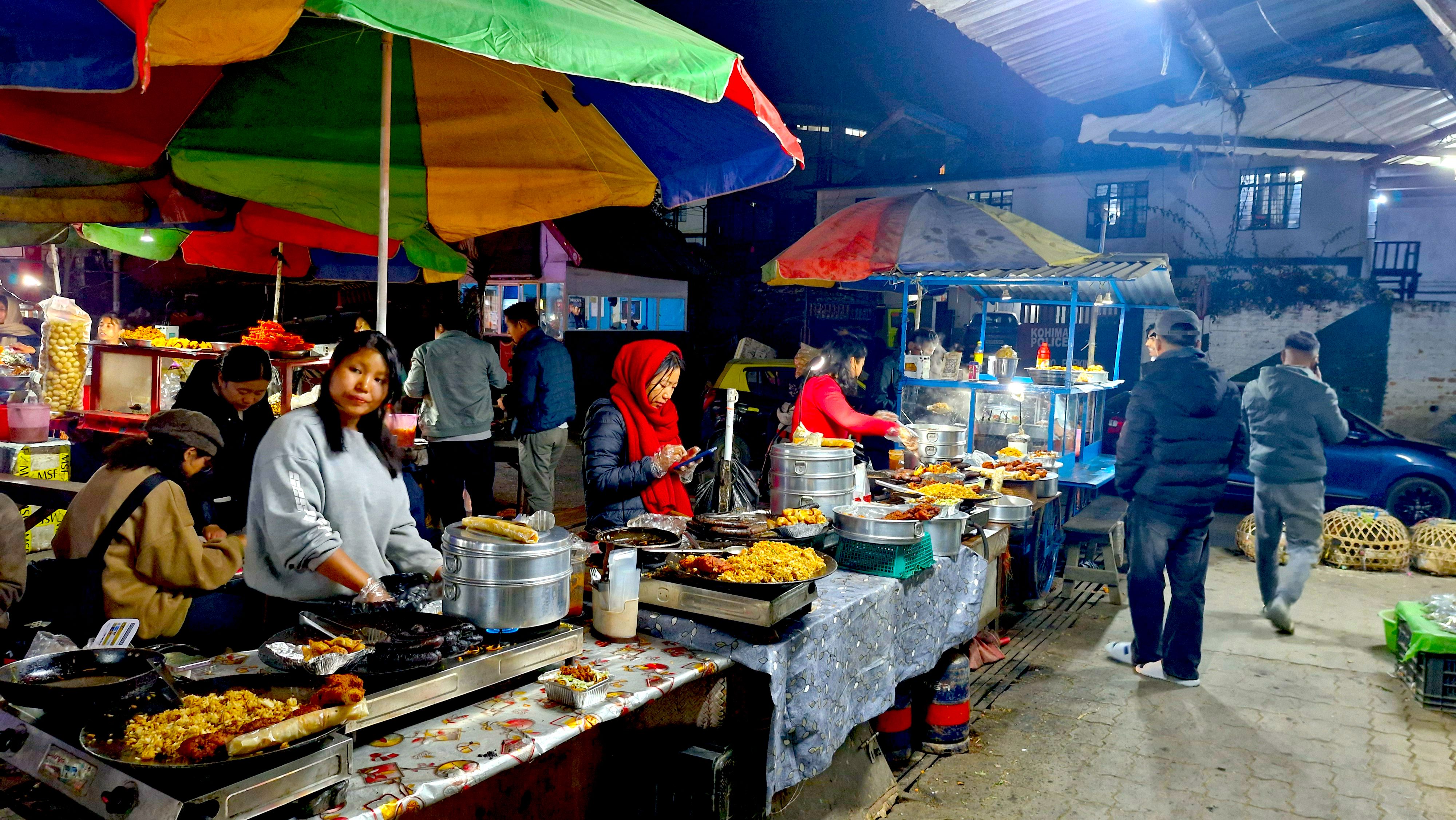 The night street food market in different pockets of the town is a delight for the taste buds looking for different flavours.
One morning, I set out for the trek to Mount Puliebadze, starting in Jotsoma village.
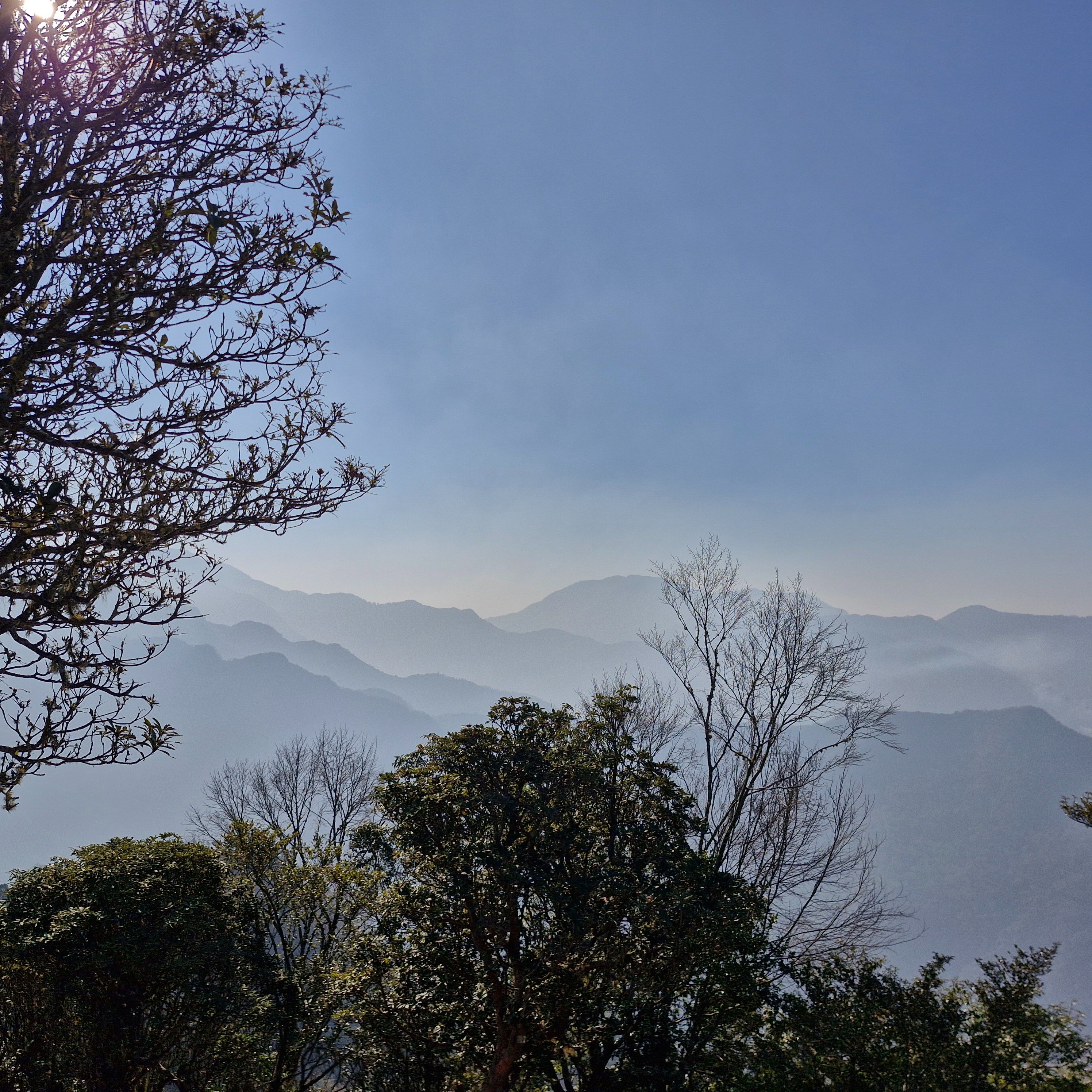 The trail gradually moved away from settlement into forested terrain, and with each step, the presence of the town faded. At around 2,300 meters, the landscape opened up.
But what stayed with me was not the view.
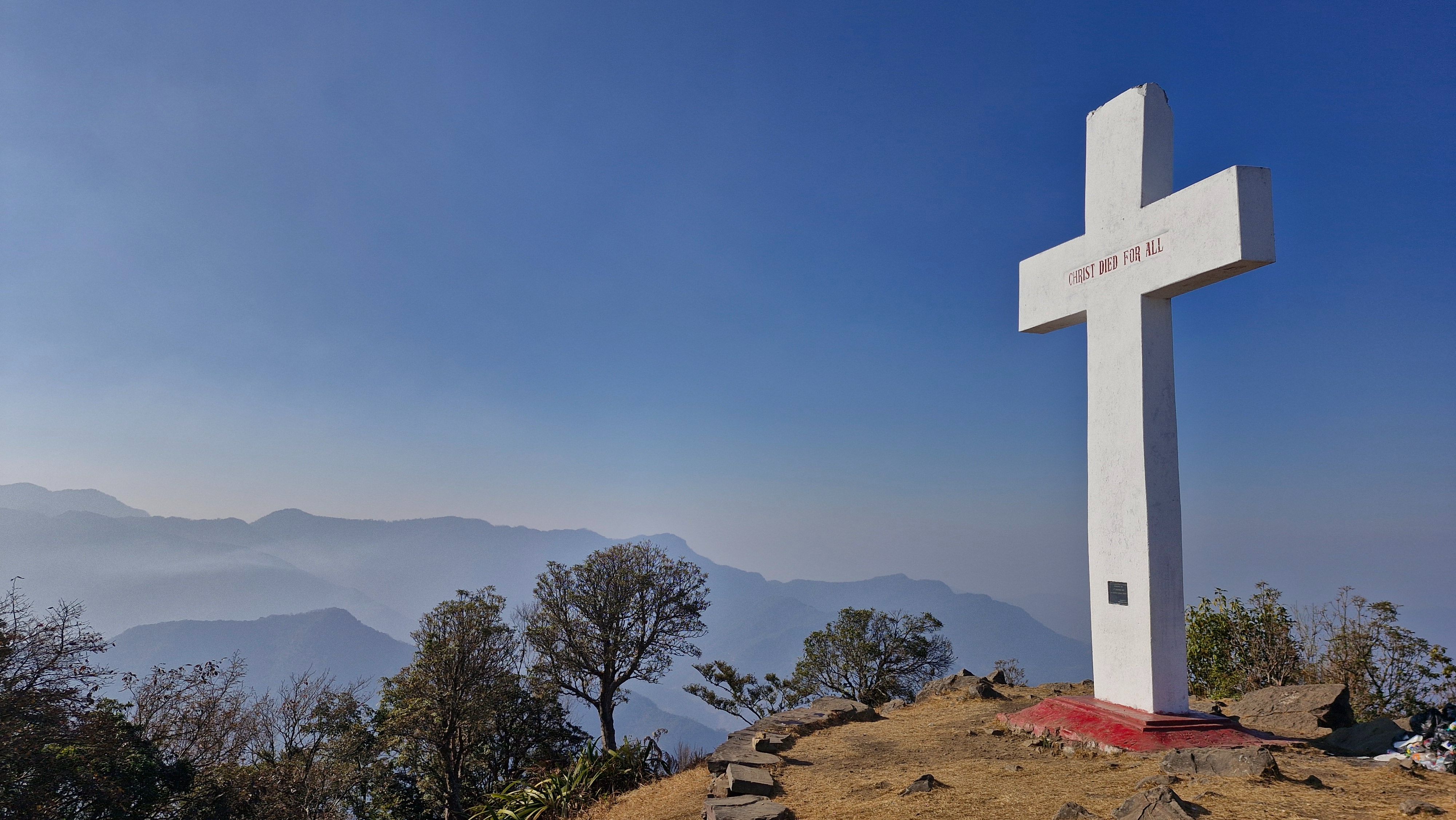 It was the story—that the mountain is named after a local farmer, Pulie, and is considered his resting place, watching over the village.
After that, it no longer felt like a viewpoint.
It felt like a place that remembers.
By the end of the week, Kohima had not become more exciting. It had become clearer.
And in that clarity was something unexpected—a quiet questioning of how differently life could be structured.
Kohima does not try to impress. It does not compete for attention.
It simply doesn’t rush.
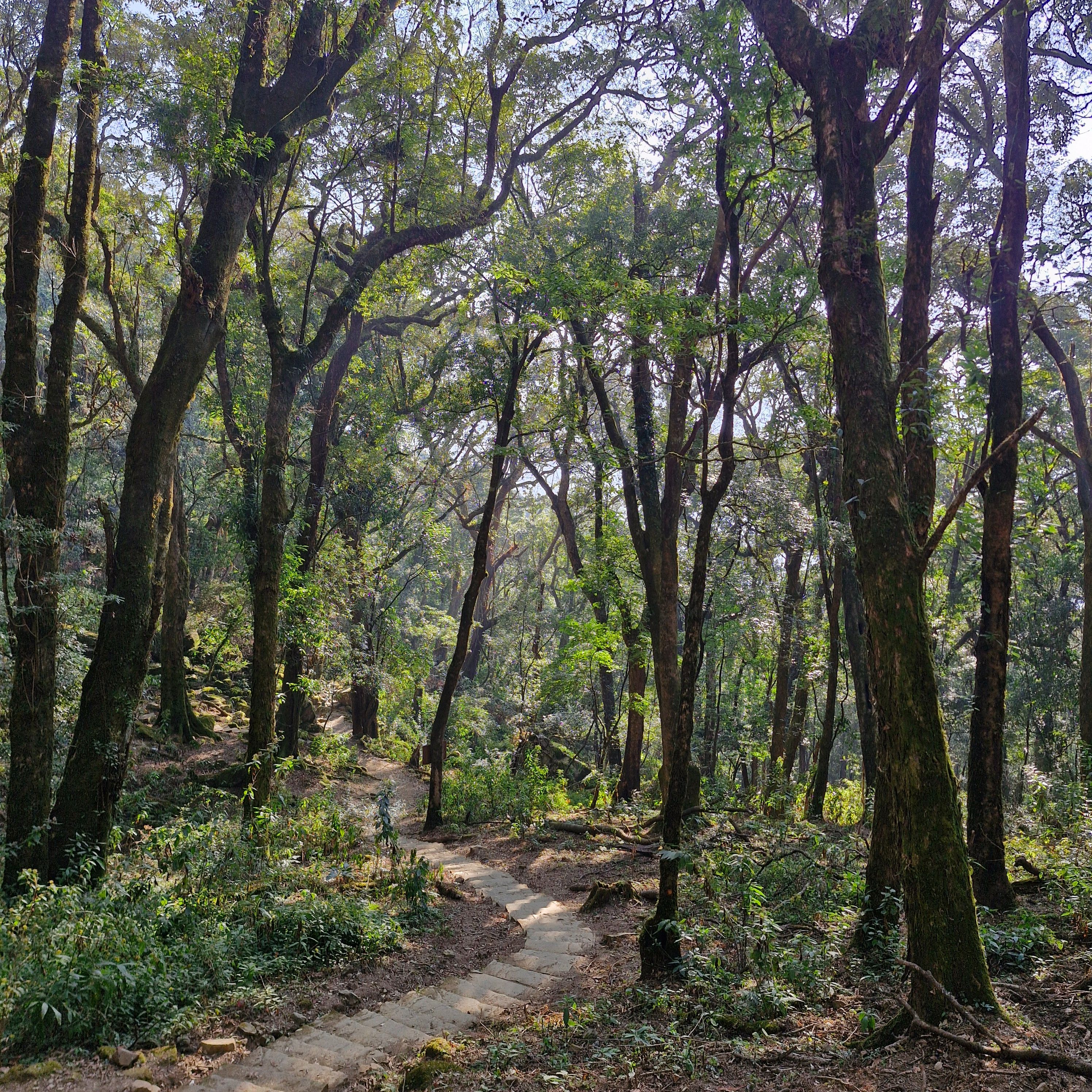 Somewhere between its tranquil trails, quiet streets and early evenings, I found myself slowing down—not because I had to, but because there was no reason not to.
And that felt unfamiliar.
But right.
It was only after sitting with this rhythm that the surrounding villages—Kigwema, Khonoma, Jakhama, and Viswema—began to make sense.
They are not separate destinations.
They are where this way of life begins.