09 Jan, 2026
Last Updated: 27 Apr, 2026
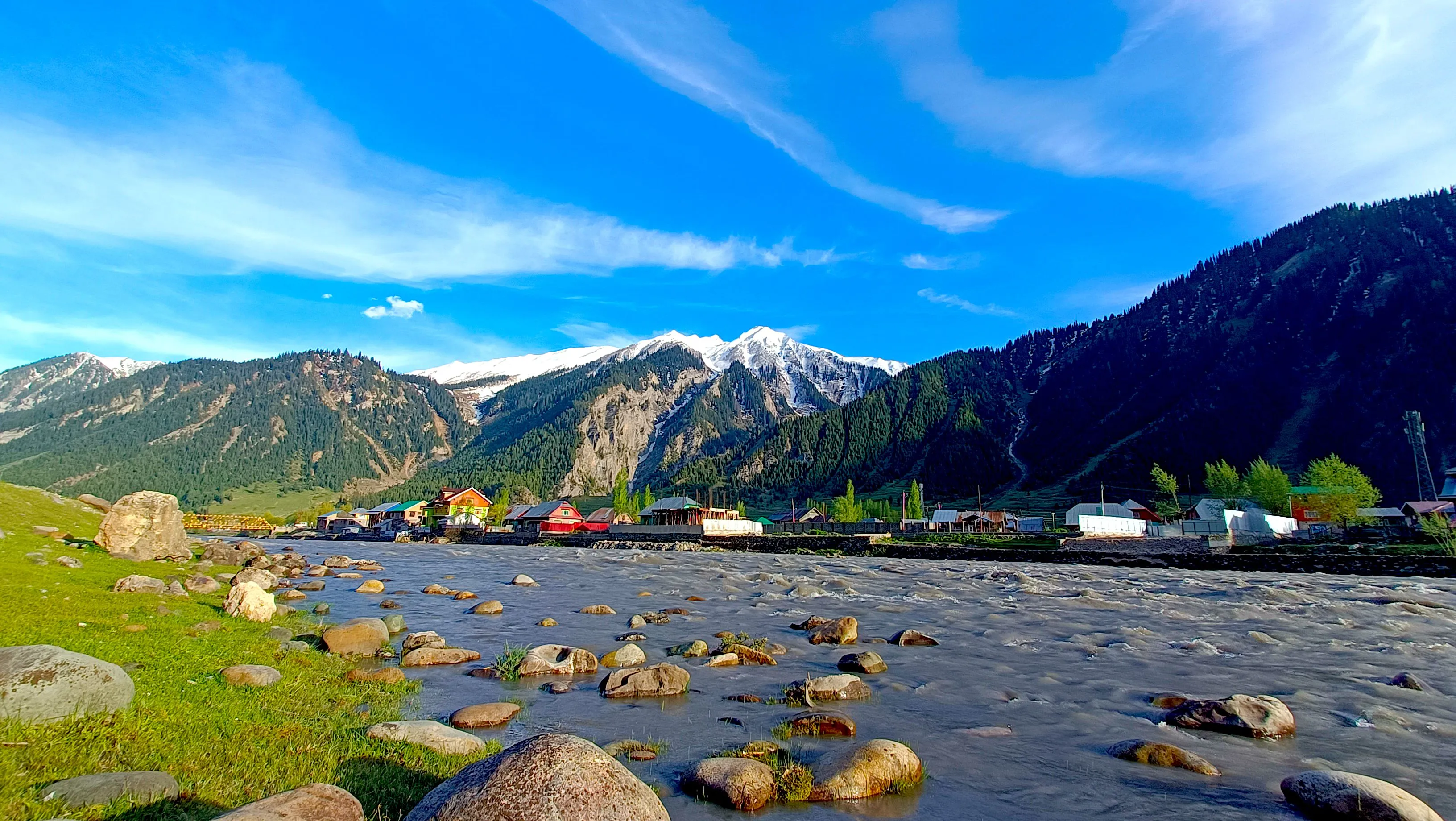
Kashmir is often introduced through a familiar shorthand in Indian tourism — the GPS circuit: Gulmarg, Pahalgam, Sonamarg. These landscapes are undeniably beautiful, yet years of unchecked footfall have reshaped them into places of constant motion.
Activities as must to-do checklists.
Marked viewpoints are crowded.
Moments arrive already timed.
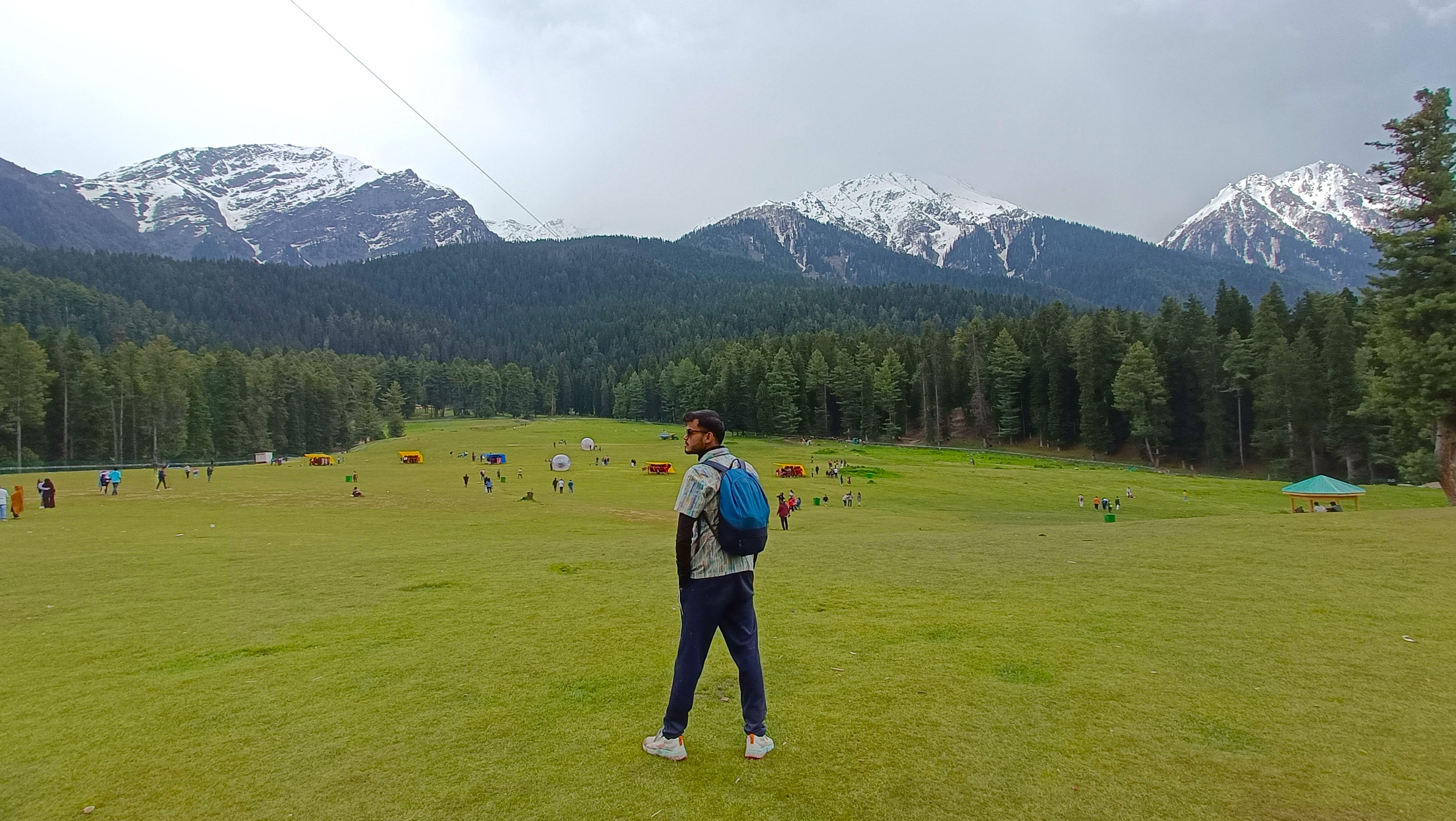
We travelled through the GPS circuit in 2023 with admiration, but also with restlessness. We weren’t disappointed — just unsatisfied.
For a land so often called “Jannat (Heaven) on Earth,” we had expected something that lingered. Instead, we felt rushed through beauty, consuming it rather than connecting with it.
As those days ended, we knew we didn’t want to leave Kashmir with only photographs. We wanted to leave with presence — something quieter that stayed.
The shift didn’t come from planning.
It came from listening.
In Srinagar, we mentioned this restlessness to our Airbnb host. He paused, then asked if we had heard of Gurez Valley.
He spoke of it not as a destination, but as a memory. Years earlier, he had been posted there for a government assignment. He spoke of long winters, sparse villages, and a life measured less by ambition and more by endurance.
That night, we opened a map.
The road past Wular Lake, through Bandipora, over Razdan Pass felt less like a route and more like a question.
Could Kashmir still be experienced without urgency?
The journey to Gurez is not seamless — and that is part of its honesty.
It begins in Srinagar, where shared taxis move on availability rather than certainty. We switched vehicles here, then again at Bandipora. Each transition felt quieter than the last.
Beyond Bandipora, the familiar Kashmir faded.
Settlements thinned out.
The road narrowed.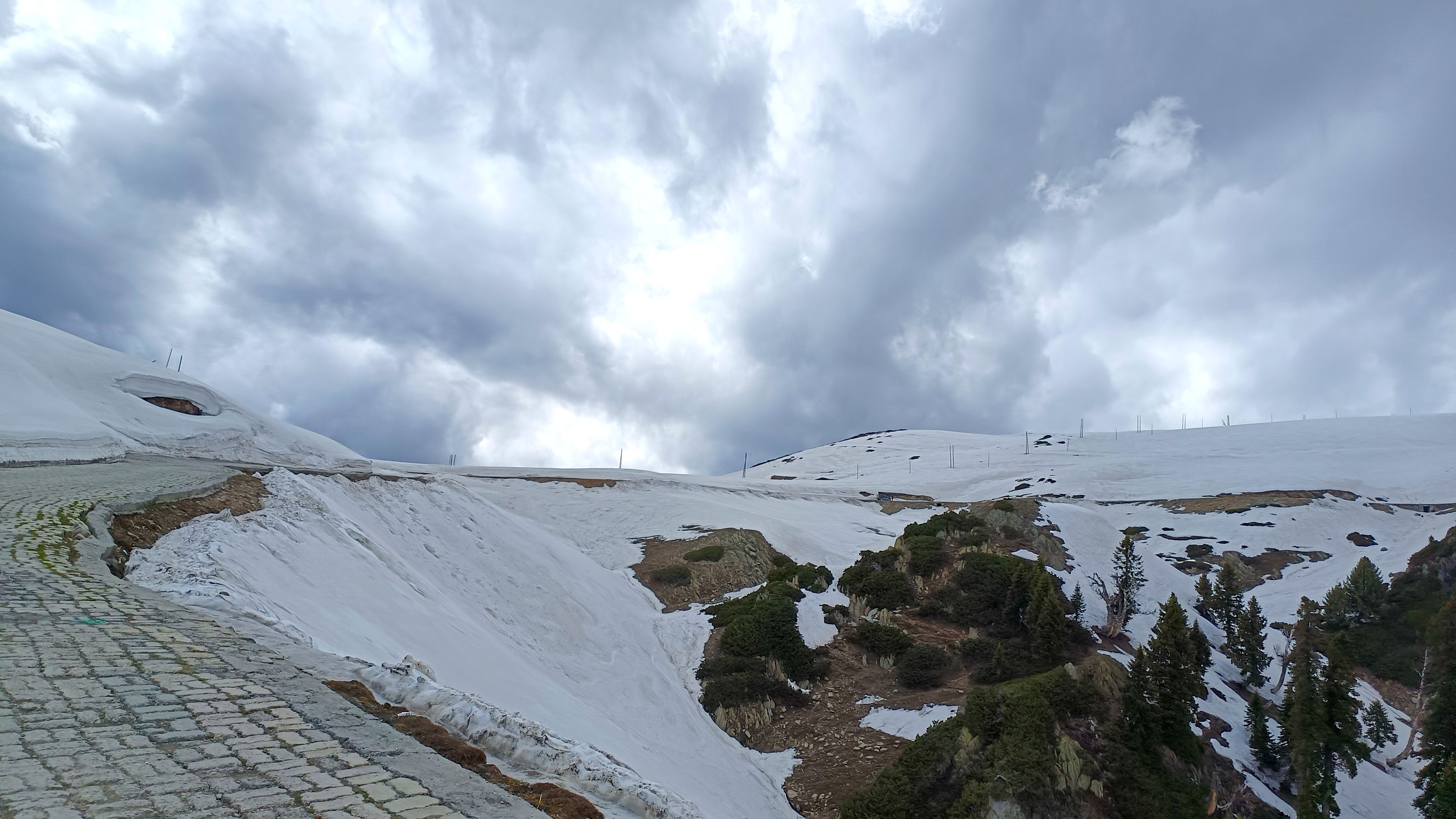
The landscape opened — less manicured, more elemental.
Snow lingered along the edges even in summer. The climb toward Razdan Pass demanded patience — not just from the vehicle, but from the mind. At 11,672 feet, the pass felt less like a milestone and more like a threshold.
On the other side, unnamed villages appeared briefly and disappeared again. Army checkposts punctuated the silence — documents checked, nods exchanged. The presence of the Indian Army felt steady, woven into daily life rather than imposed upon it.
Somewhere along this stretch, plans stopped mattering.
By the time the valley opened, we realised we hadn’t just travelled toward Gurez.
We had been slowly leaving something behind.
Gurez doesn’t announce itself.
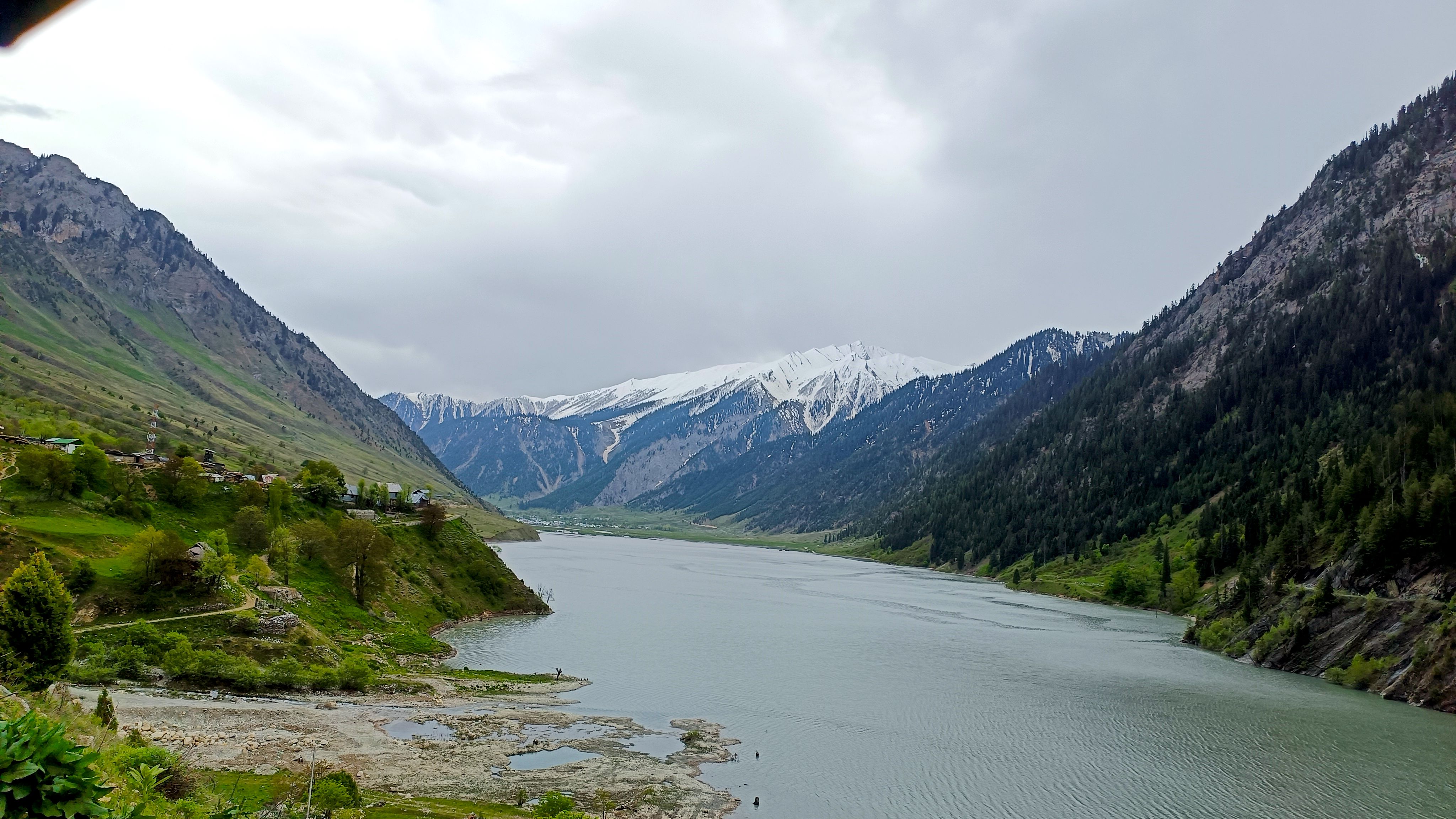
The Kishanganga River moves quietly through the valley, mountains holding their distance. A hydroelectric project hums faintly — progress present, but restrained.
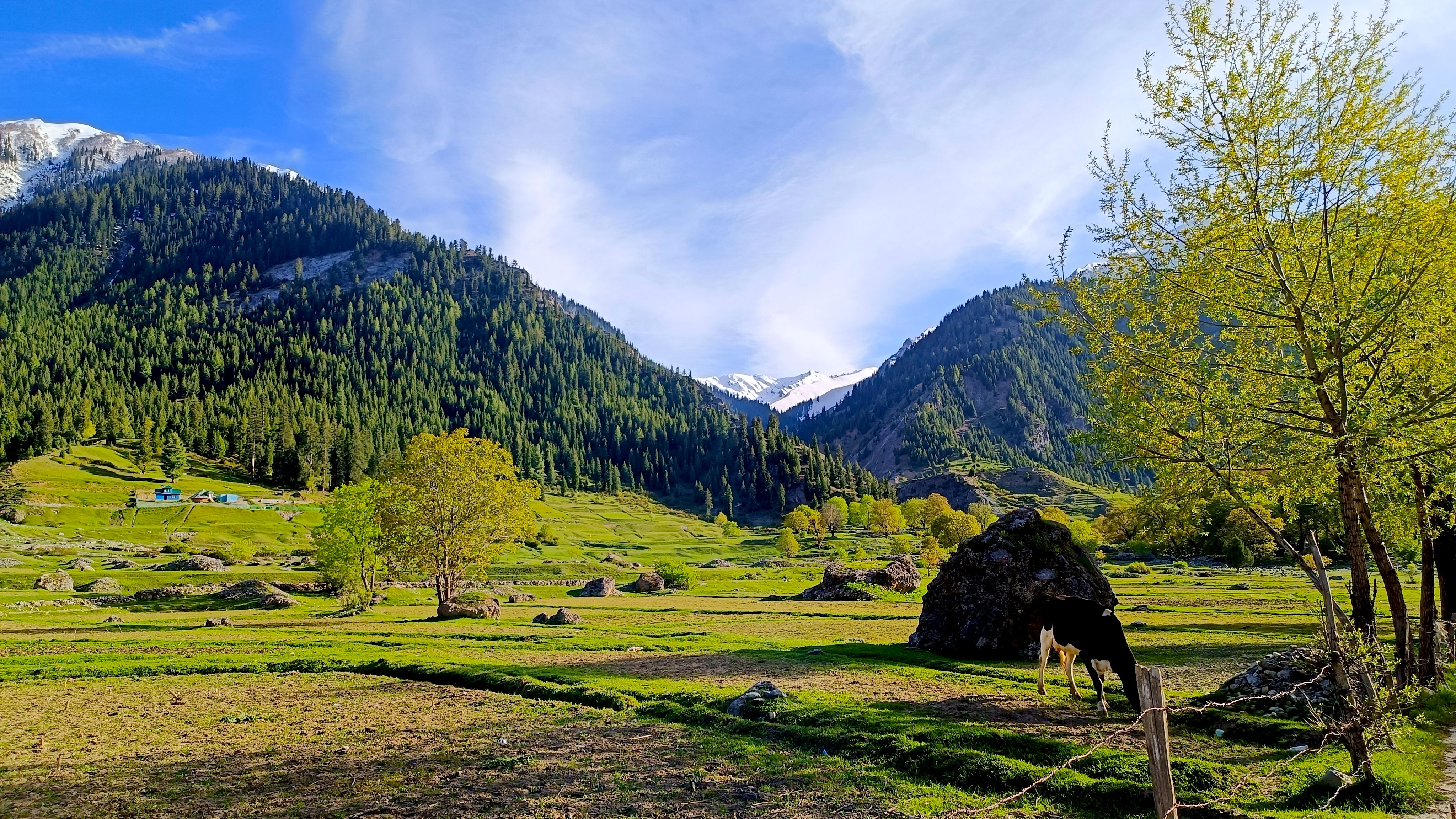
What becomes immediately apparent is the innocence of the place — a quiet resistance to commercialism. No signboards. No rehearsed welcomes. That innocence reflects not only in the land, but in the eyes of the people — unguarded, unaccustomed to being watched.
At the final checkpoint, an official mentioned casually that we were among only two outsiders entering Gurez that day. Everyone else was returning home.
That detail stayed with us.
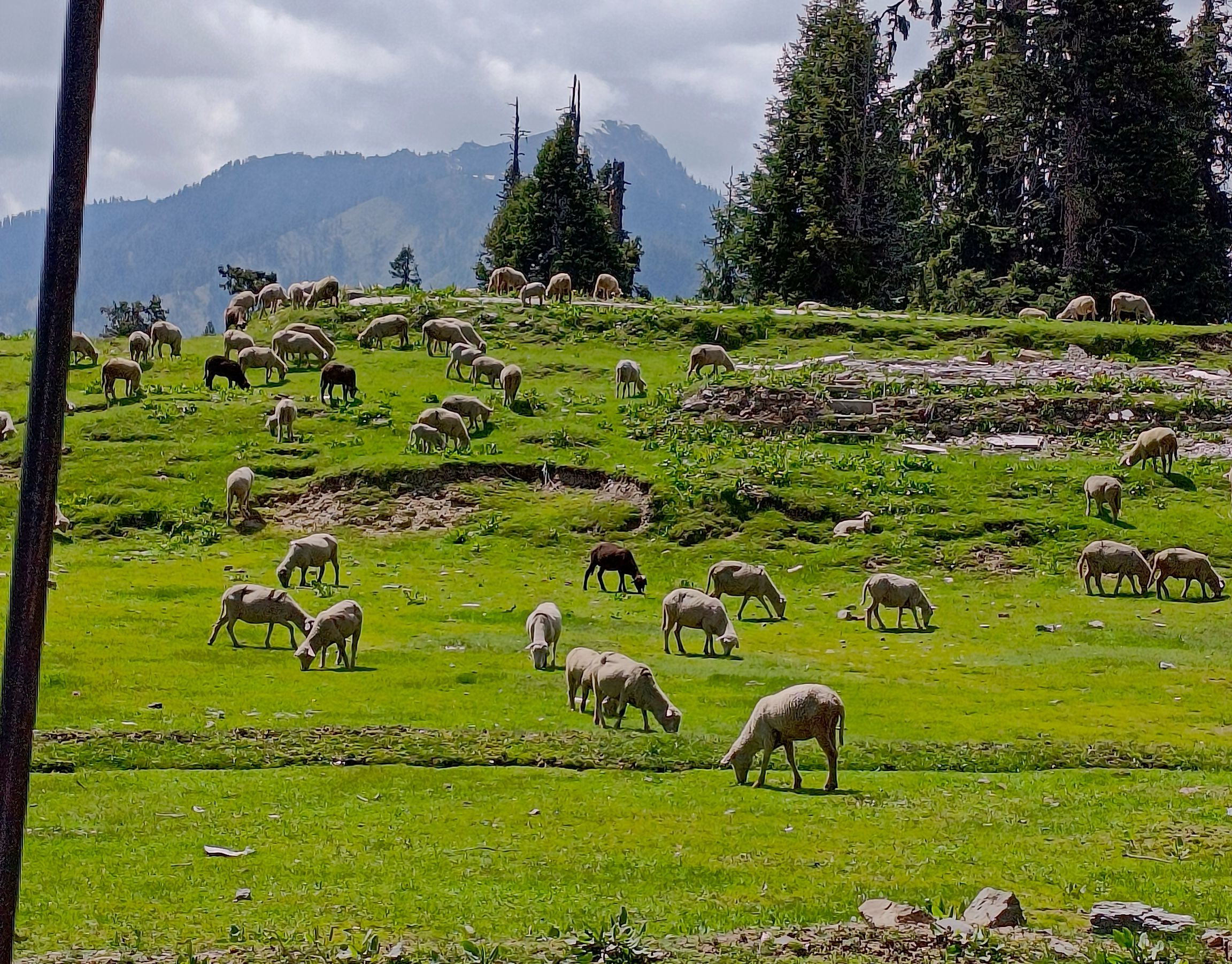
Sheep grazed across open meadows. Along the riverbanks, families tended small plots of land — farming as inheritance, not lifestyle. Children played freely in the fields. No phones. The network here was unreliable, and life had learned to flow without constant connection.
At the taxi stand in Dawar, there were no hotel agents, no vendors. Having arrived without bookings, we walked to a tea stall instead. Over steaming cups of kahwah, directions were offered quietly.
It felt like a place unused to negotiating its own beauty.
Morning arrived without instruction.
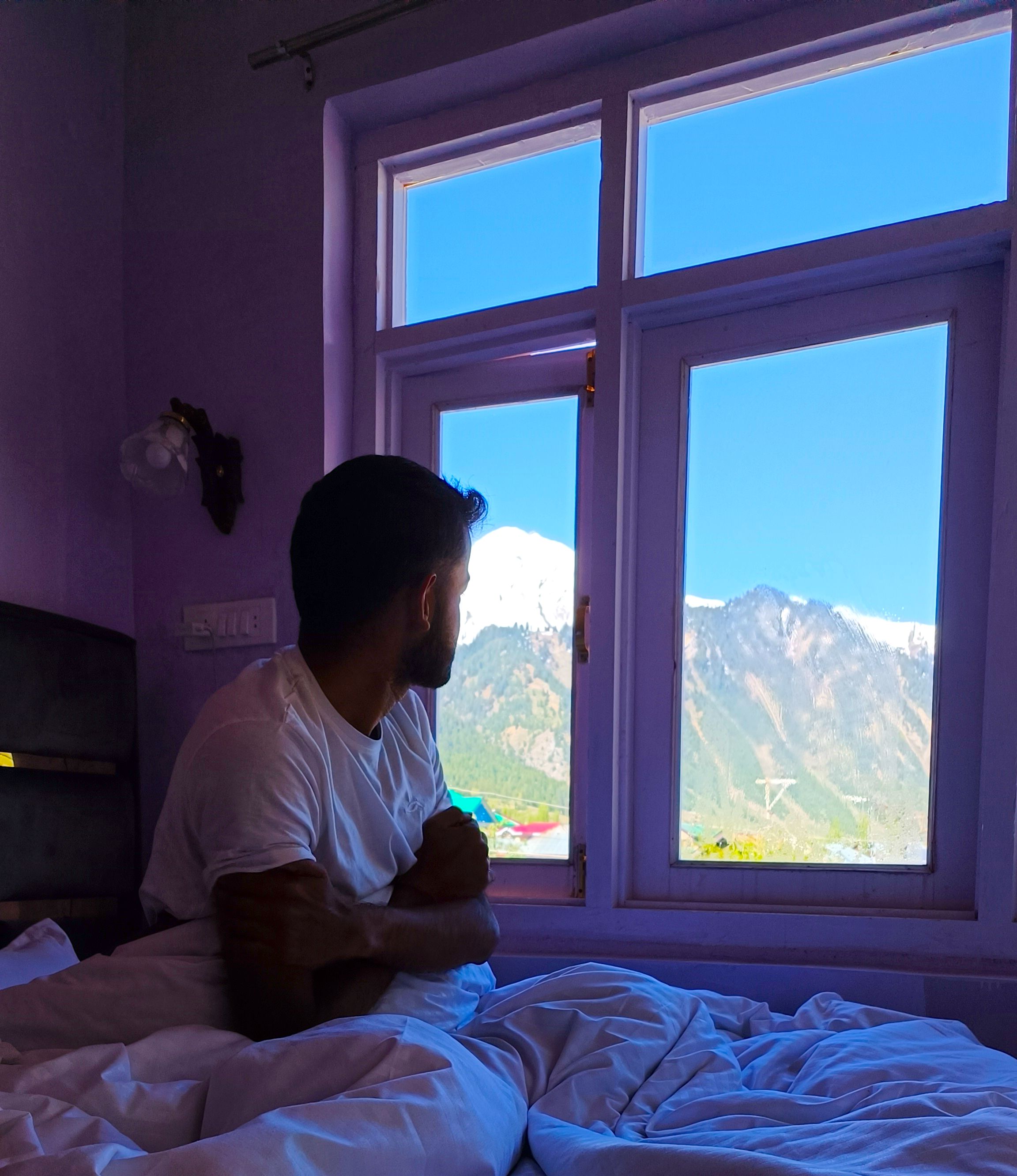
We woke to snow-clad mountains visible through the window panes in close proximity, barbed wire tracing the opposite bank — a reminder that beauty here coexists with vigilance. Yet nothing felt tense.
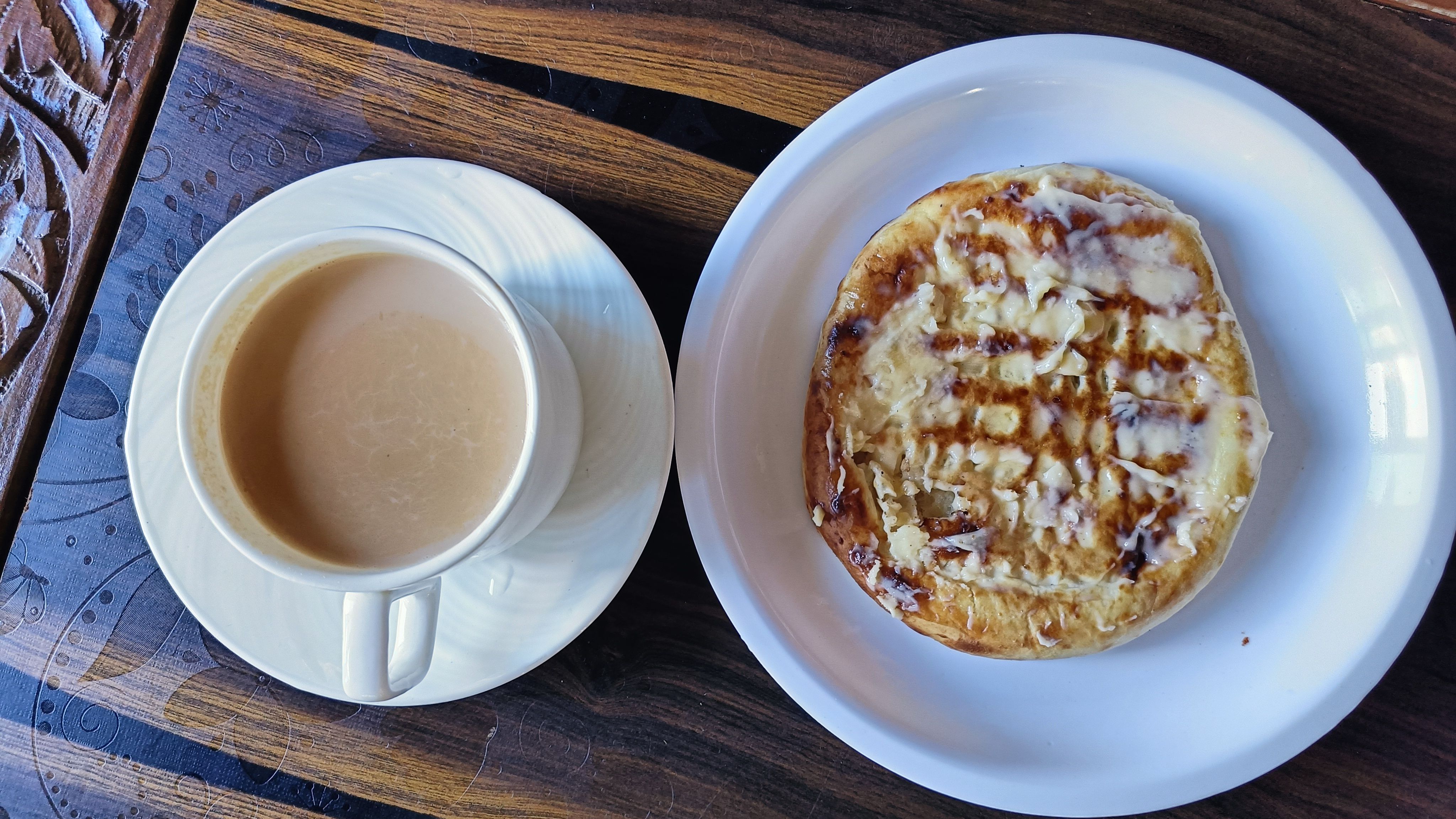
We walked through Dawar as the day eased in. On a local’s recommendation, we stopped at a small bakery. Breakfast was simple: buttered girda(a type of Kashmiri flatbread) and namkeen chai (salted tea). It wasn’t meant to impress. It was meant to sustain.
Later, we sat by the Kishanganga — for hours. Watching water move, listening to nothing but continuity, something inside softened. Sitting there felt less like rest and more like quiet repair — an inner healing that didn’t ask to be explained.
Above the valley stood Habba Khatoon Peak, steady and unassuming.
Days unfolded without structure.
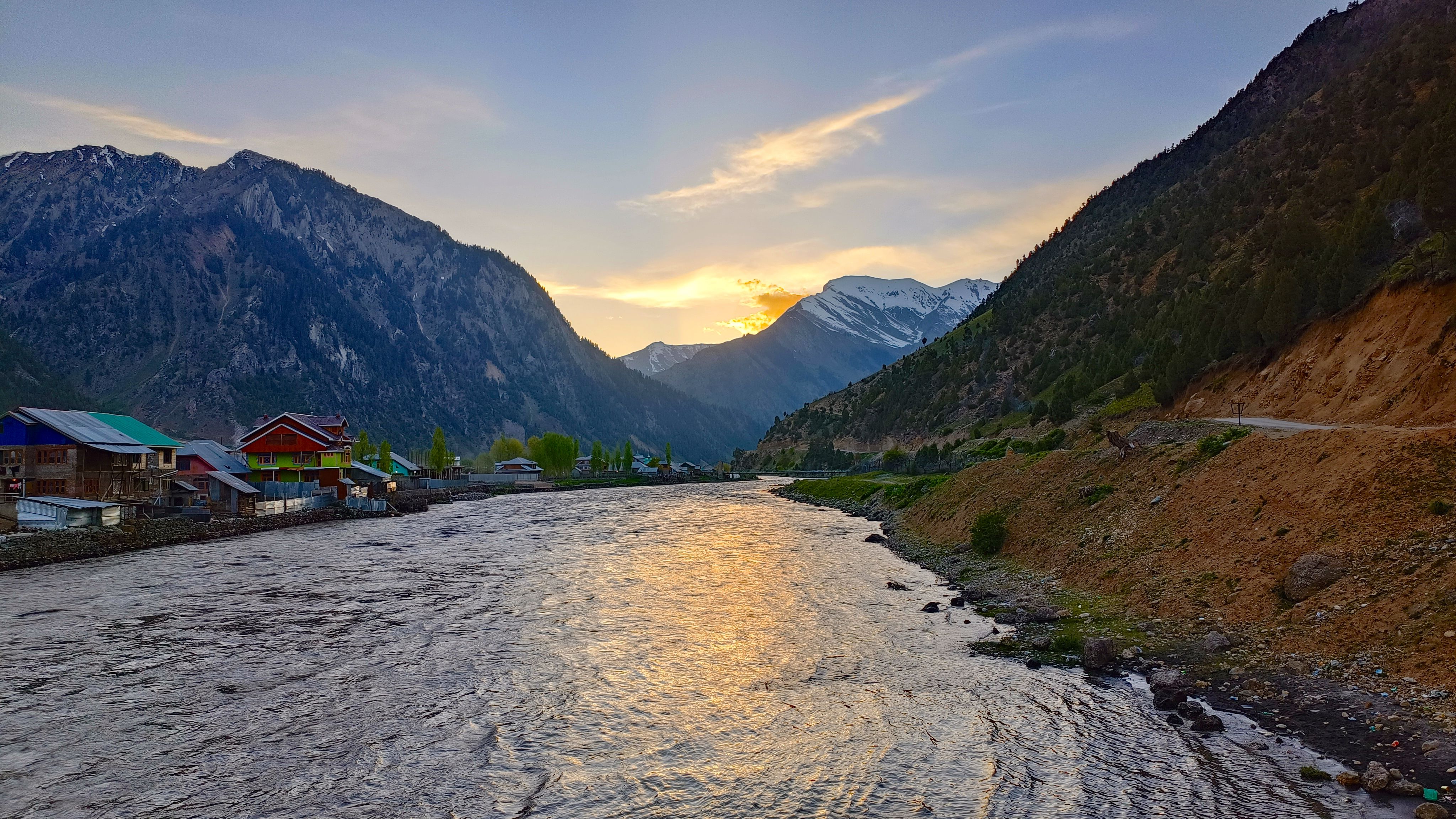
We returned again and again to the same riverbank. The Kishanganga did not offer answers — only rhythm. And in that repetition, something unknotted.
One afternoon, we sat inside the newly built army café. Over tea, stories surfaced — winters endured, roads cleared, villages reconnected. It felt less like listening to soldiers and more like listening to caretakers.
At the local museum, the coordinator showed us fragments of life from fifty years ago — photographs, tools, everyday objects. The past was offered as continuity, not nostalgia.
The valley did not demand attention.
It asked for patience.
The mountain does not ask to be noticed.
It waits.
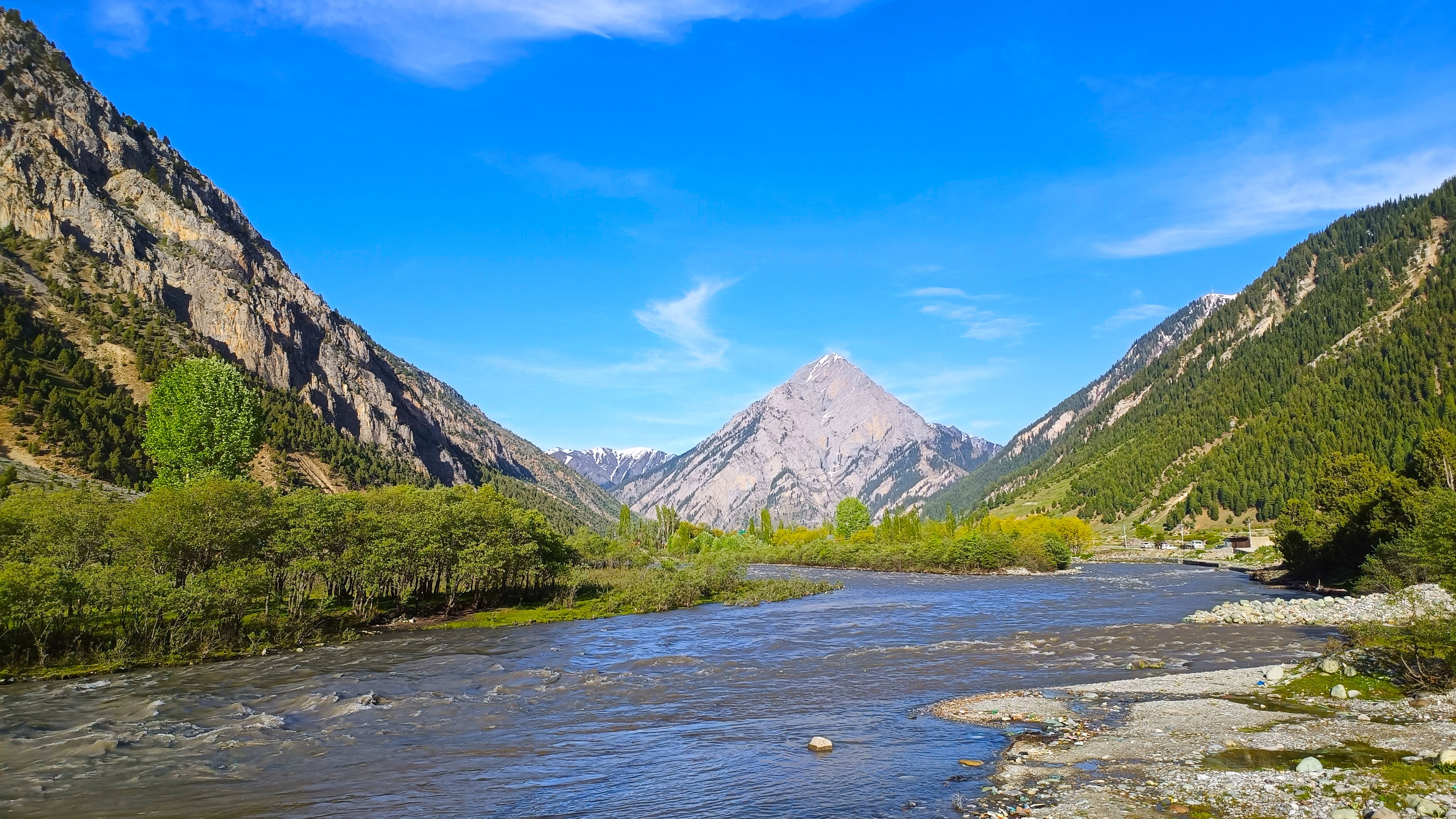
Named after Habba Khatoon, it carries a story of endurance. When love was exiled, she remained. When power receded, she chose silence.
Like her, Gurez does not announce its suffering — it carries it quietly. Long winters. Scarce resources. Ordinary resilience. Here, the presence of the army feels less like authority and more like assurance.
Near the river, near the peak, stillness teaches without words.
Food in Gurez arrives as warmth.
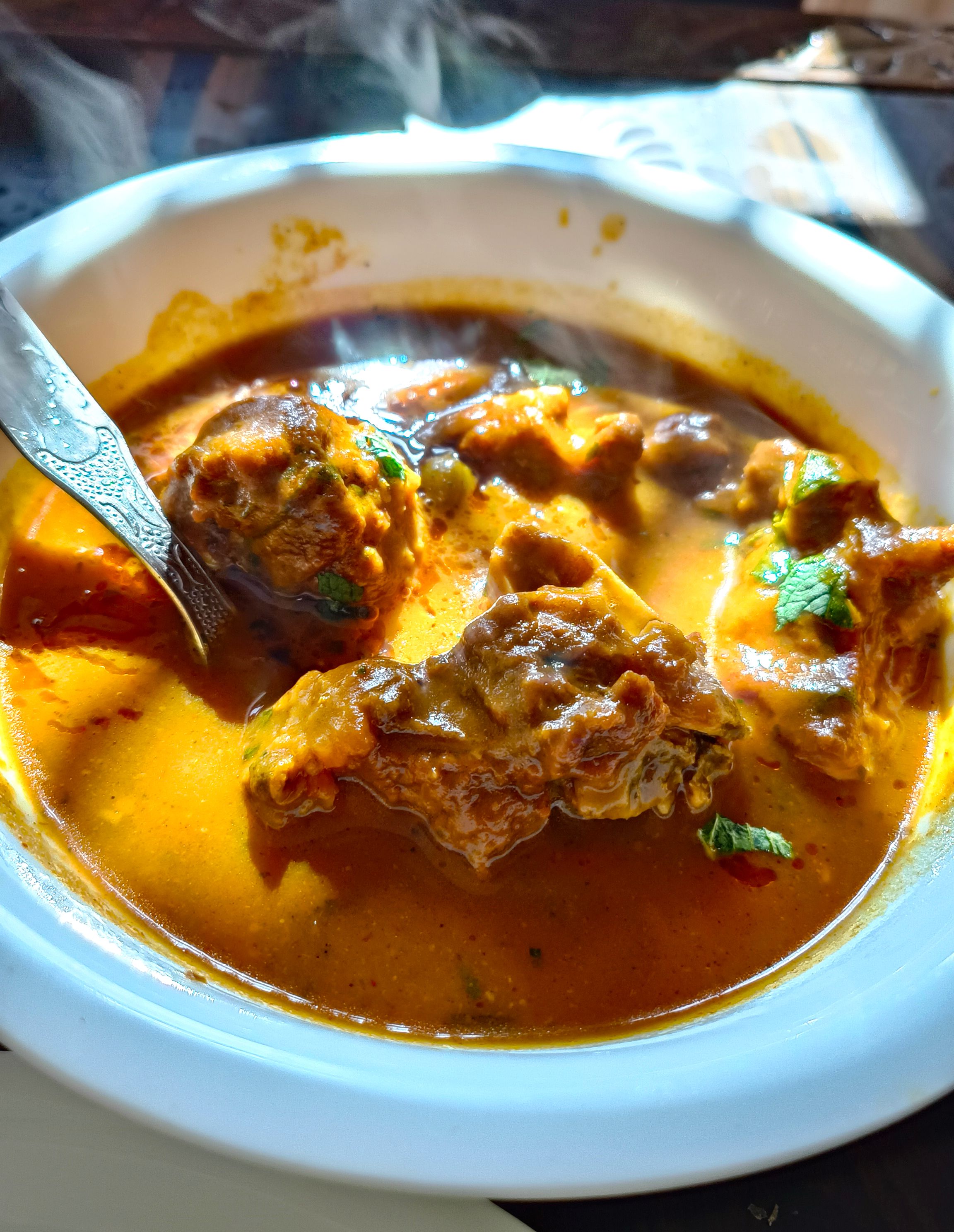
Rogan Josh was slow-cooked and restrained, carrying heat the way the valley does — quietly. The Wazwan dishes that followed were meant to be eaten warm, slowly.
The bakeries deserved special mention. Uneven cookies — crumbly, dense, unlabelled — tasted better than they looked. Made for routine, not display. Perfect with namkeen chai.
Evenings found us back by the river, watching light dissolve into water. Stillness, when allowed to last, revealed its healing.
When it was time to leave, we realised we hadn’t collected many stories. No superlatives. No drama.
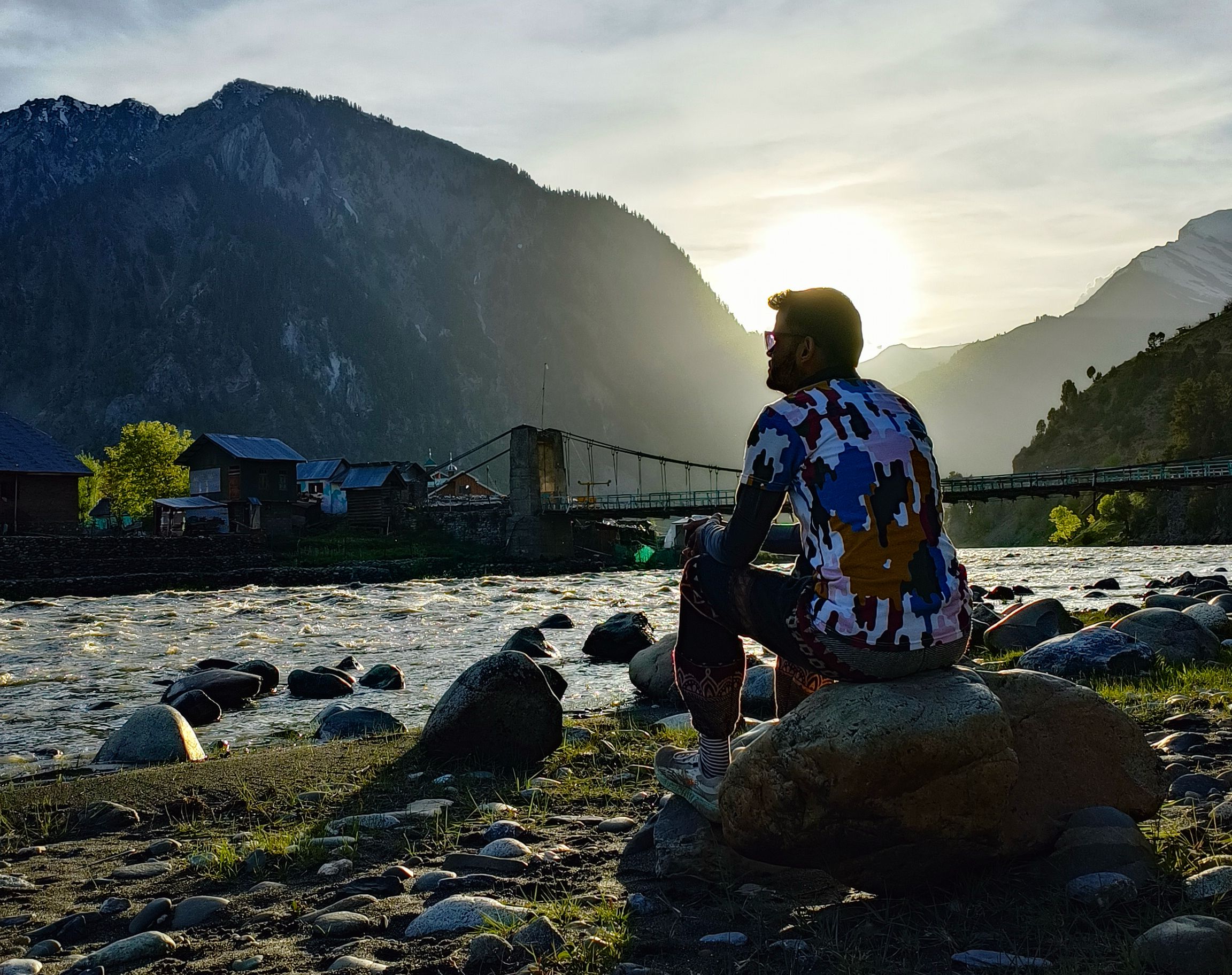
Just a quieter mind.
Gurez didn’t change us abruptly. It adjusted something gently — the way silence does when you finally stop resisting it.
And perhaps that is what Jannat feels like —
not something you pass through,
but something that teaches you how to stay.