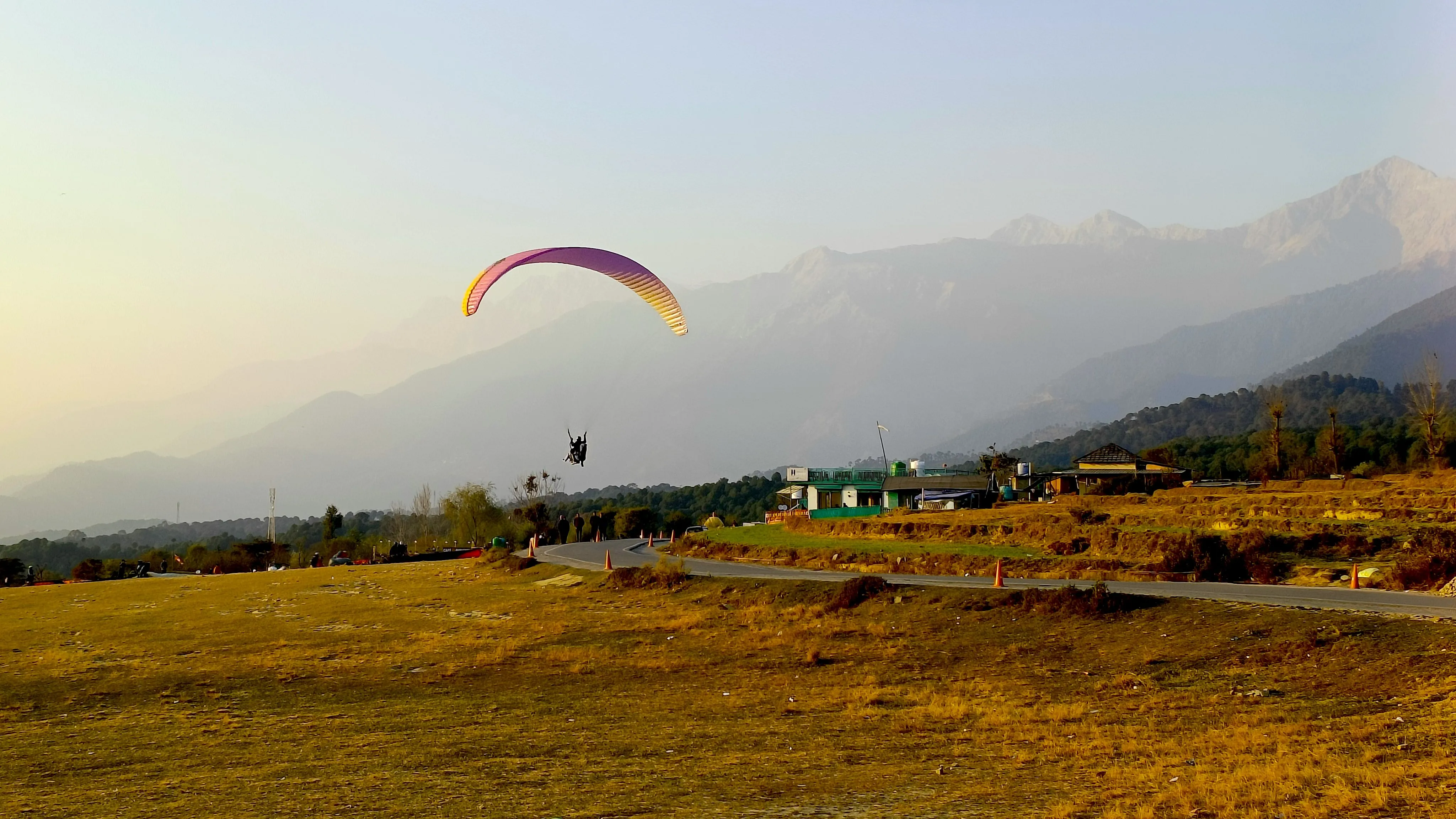
Bir had been on our minds long before we arrived there.
Not as a destination we were chasing, but as a place that kept surfacing in fragments — through conversations with fellow travelers, stories exchanged on long bus rides, café tables where someone would pause before mentioning its name. Bir always seemed to exist in the margins of other journeys, spoken about quietly, as if it didn’t need introduction.
We didn’t rush toward it.
The timing arrived after a week of slowing down in Jibhi.
The week in Jibhi was never meant to be an escape from life. It was a reset — a necessary recalibration after the long, invisible fatigue that followed the post-pandemic years. Days unfolded gently. Mornings arrived without alarms. Evenings closed in early, wrapped in silence and the soft glow of lamps.
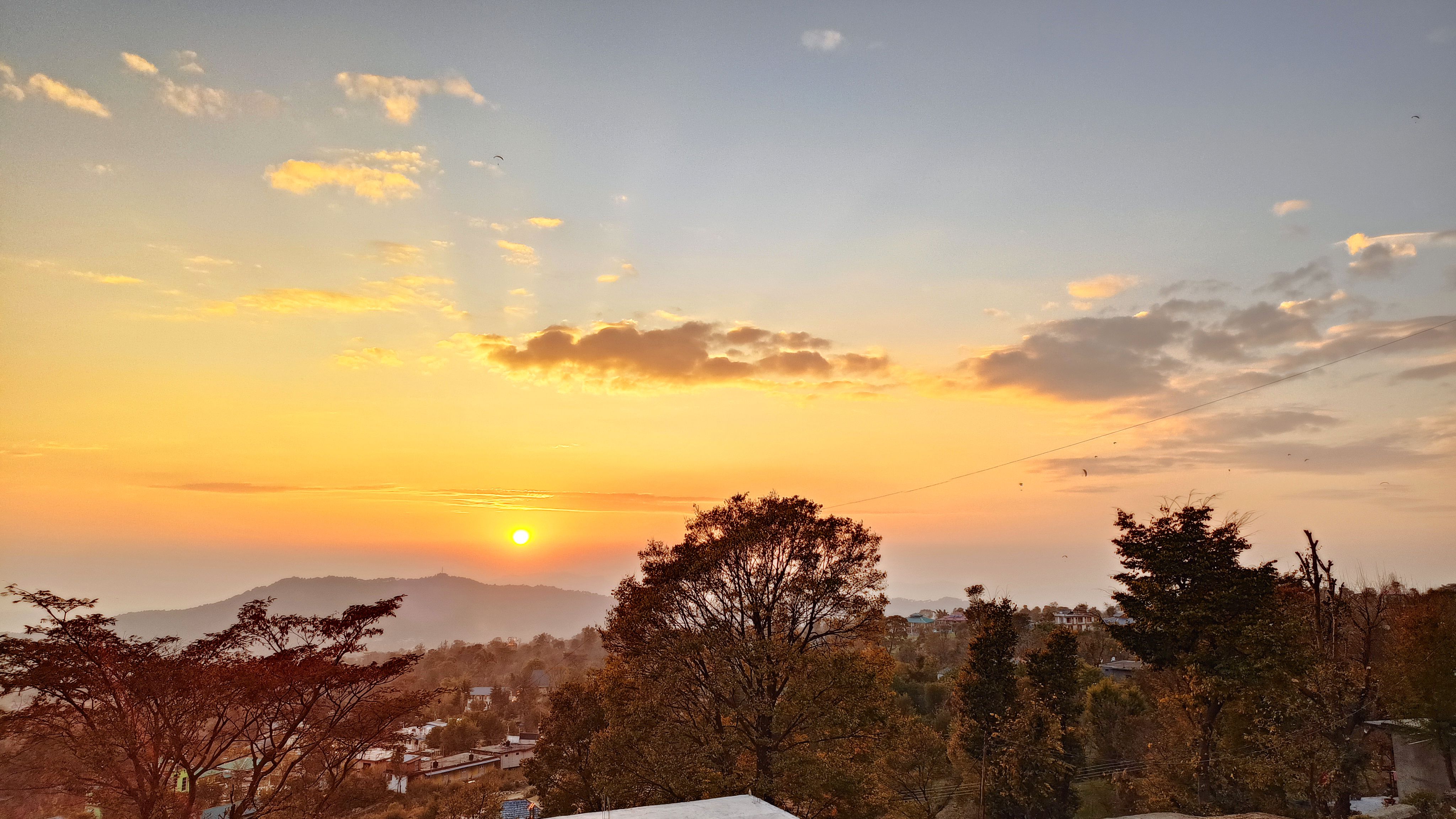
We wanted to carry this calm forward — into a place that still moved, still connected, still breathed with quiet momentum. Bir, which had been waiting patiently in our conversations for years, felt like the right next step.
The next morning, we boarded an HRTC bus — Himachal’s quiet constant. The kind of journey that doesn’t hurry you, even if you’re eager to arrive.
Aut came and went. Then Mandi. Another bus. Another window seat shared between glances and half-slept thoughts. The road curled and unfolded, carrying us from the tighter folds of Kullu into the wider openness of Kangra district. Somewhere between bends, sleep found us briefly, interrupted by mountain views sharp enough to pull us back.
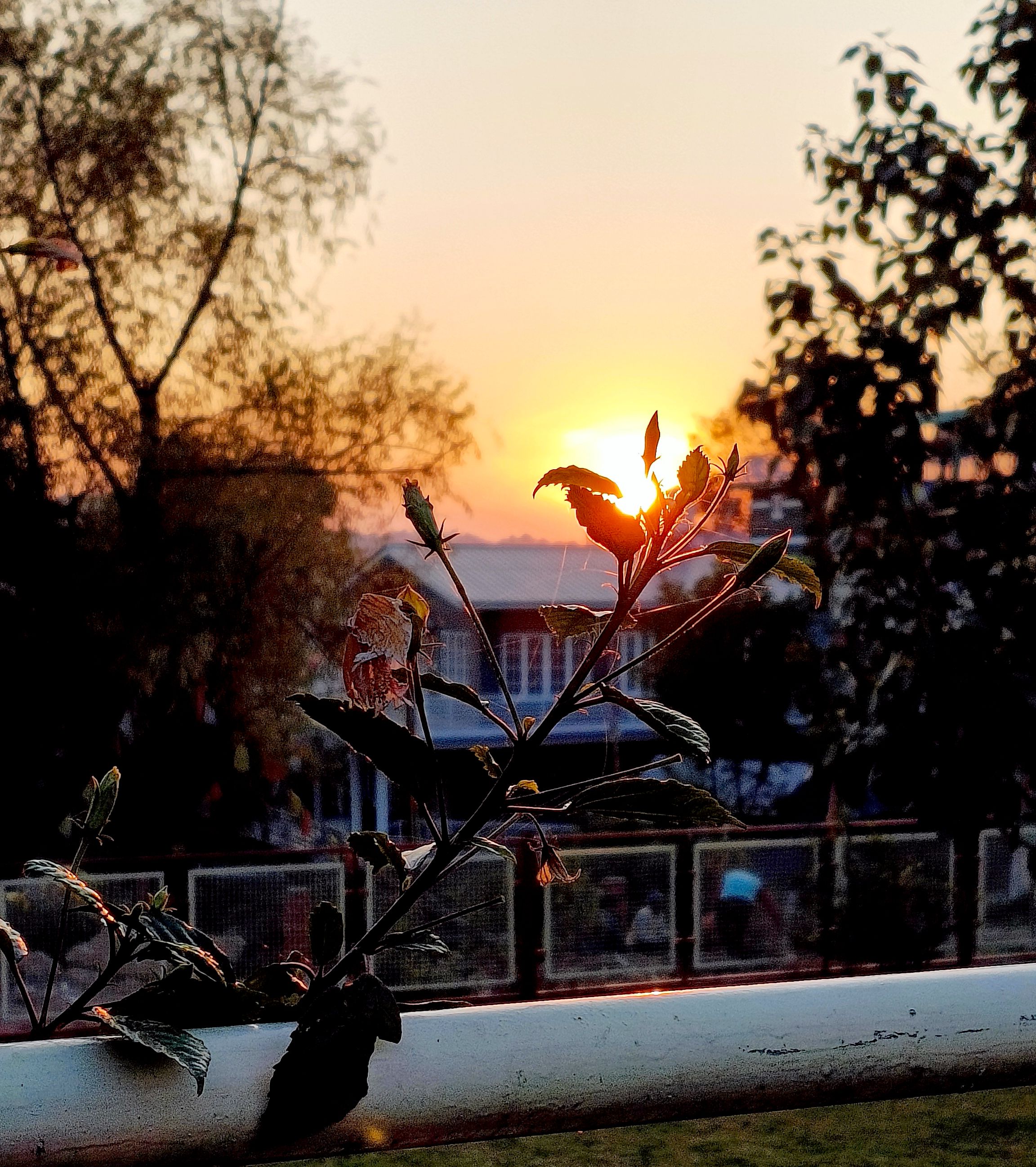
By the time we stepped down at Bir Chowk, dusk had already settled into the valley. The sky hovered between amber and blue, undecided. The outlines of the Dhauladhars appeared first, then slowly revealed themselves.
It didn’t feel like arrival.
It felt like being eased in.
Our homestay near Gunehar Road was quiet, held gently under a moonlit sky. Snow traced the upper edges of the Dhauladhars, reflecting a pale glow that softened everything below.
We didn’t speak much that night. There was no urge to explore, no instinct to document. Just the shared understanding that the valley would unfold in its own time.
That night didn’t feel like reaching a destination.
It felt like being allowed to stay.
The alarm rang at seven. Habit pulled us out of bed more than intention. Still heavy-eyed, we stepped onto the balcony — and stopped.
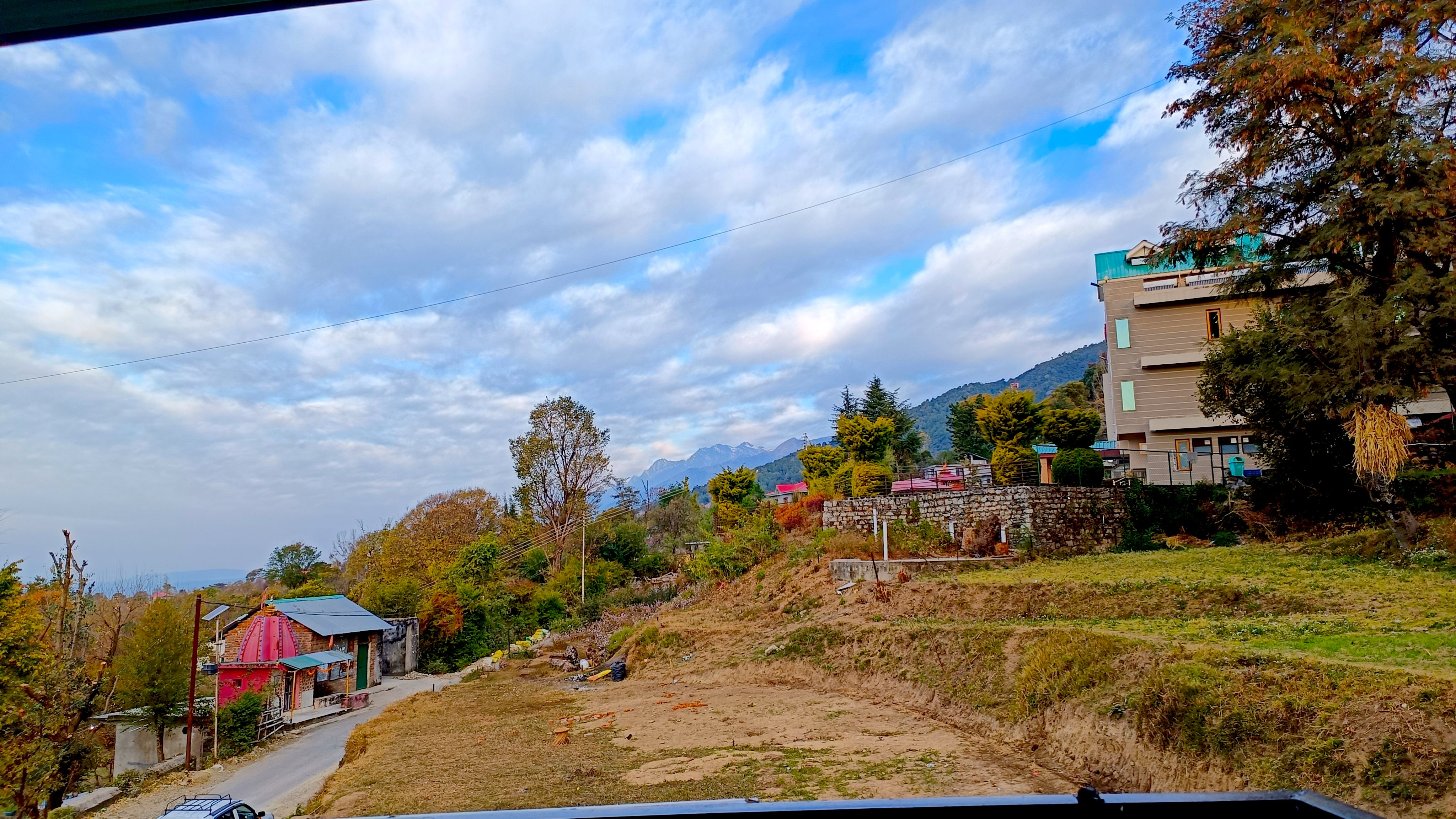
Green fields stretched outward, unbroken, until they met the Dhauladhar range standing firm at the backdrop of the valley. The winter sky was clear, sharp enough to feel close. Paragliders moved slowly across it, their multi-colored canopies tracing quiet arcs through the air. Pine drifted on the breeze. Somewhere nearby, a monastery chant travelled without urgency, unconcerned with who might be listening.
Time didn’t pause.
It loosened.
And something inside both of us loosened with it.
Not knowing how to ride a two-wheeler — something we’d often considered inconvenient — turned out to be a gift. We walked.
At walking pace, Bir revealed itself without performance.
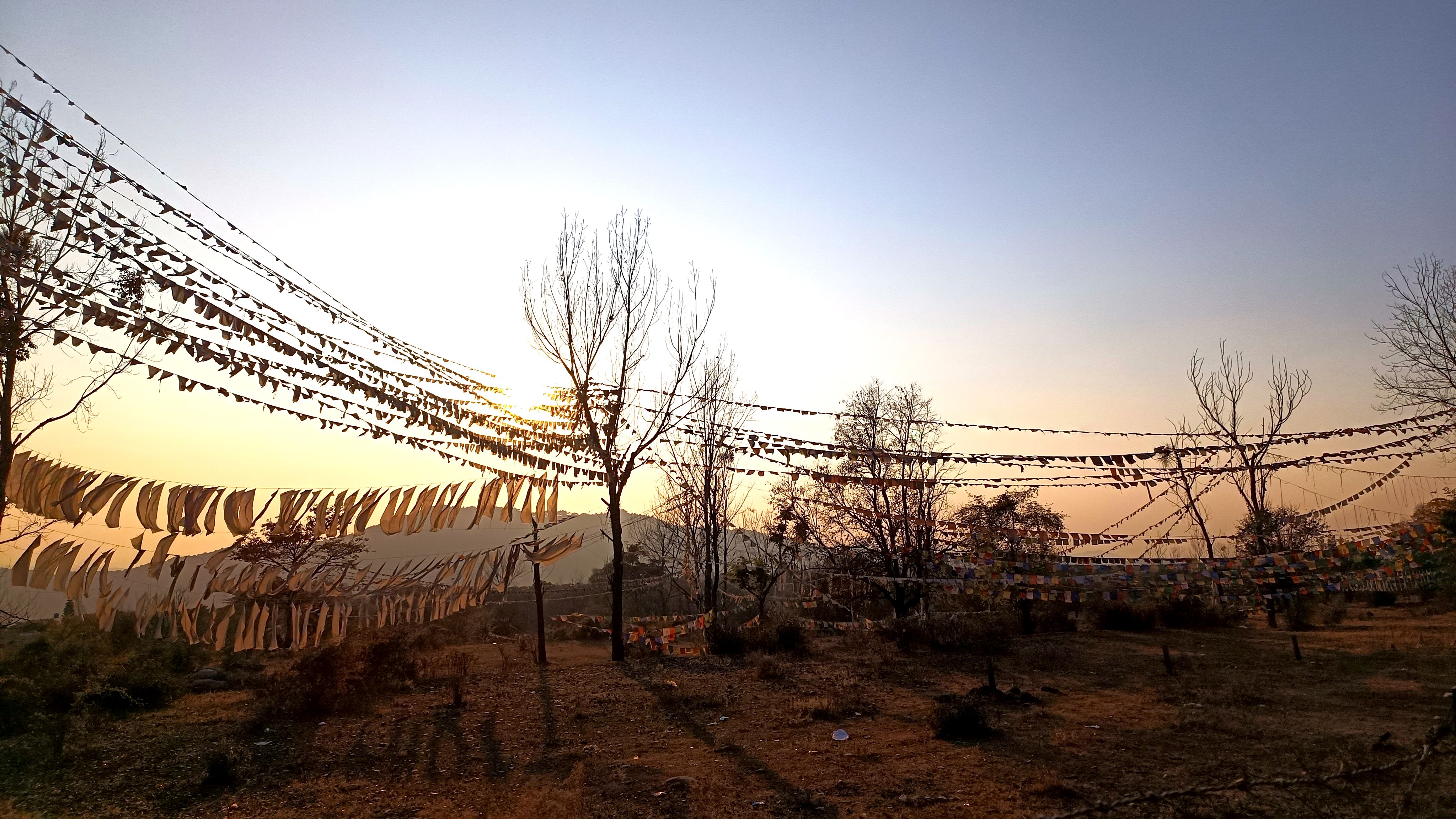
Traditional stone-and-mud Himachali homes stood grounded beside Tibetan houses marked with prayer flags. Fields opened between settlements like breathing spaces. Women crossed paths with harvest-filled tokris balanced with practiced ease. Children cycled through narrow lanes, laughter trailing behind them. Monks stood outside small shops, talking animatedly, unguarded.
Modern life existed here without disruption. Cafés, hostels, and co-working spaces didn’t interrupt the valley — they adapted to it. Glass reflected mountains. Wooden doors stayed open. Nothing announced itself loudly.
Bir didn’t divide old and new.
It layered them.
We didn’t go looking for the Tibetan Colony.
We simply kept ending up there.
One evening, hunger led us down a narrow lane softened by steam and fading light. We stepped into Nyingma Cafe — unassuming, unhurried, quietly full. A few wooden tables. Soft chatter. Plates moving steadily between kitchen and room.
We ordered without discussion and sat together, comfortable in the silence.
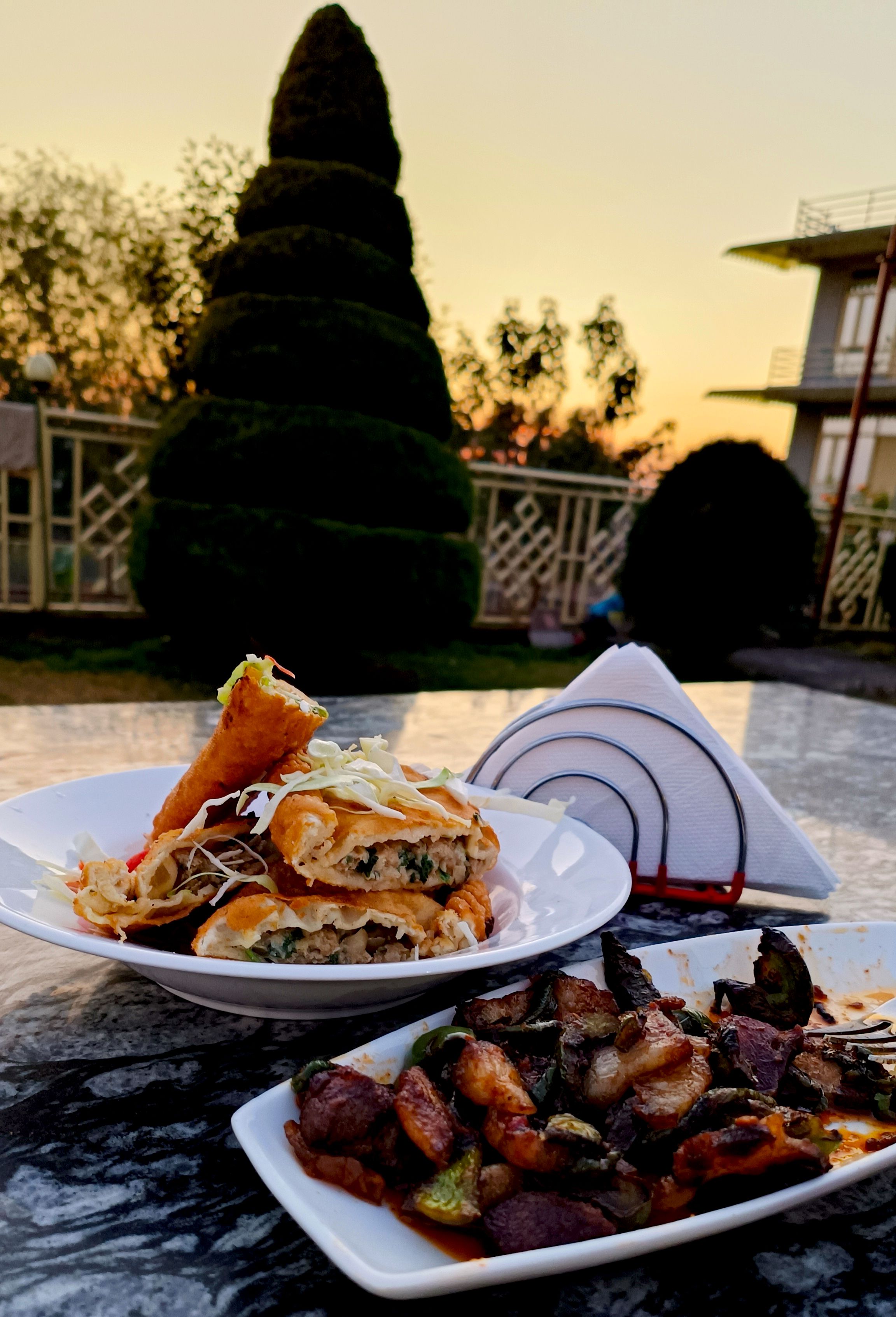
The shaphaley arrived warm, the crust still holding its heat, placed gently in front of us as if there was no reason to rush. Around us, conversations moved easily — Tibetan, Hindi, English — sometimes overlapping, sometimes dissolving into pauses. Nobody seemed aware of being observed. Nobody felt the need to explain themselves.
We ate slowly, not because we intended to, but because nothing here demanded speed.
Over the next few days, we returned — not deliberately, but instinctively. The lane became familiar before the menu did. Some evenings we shared a table with strangers. Other days, we sat quietly, unnoticed, content in that shared anonymity.
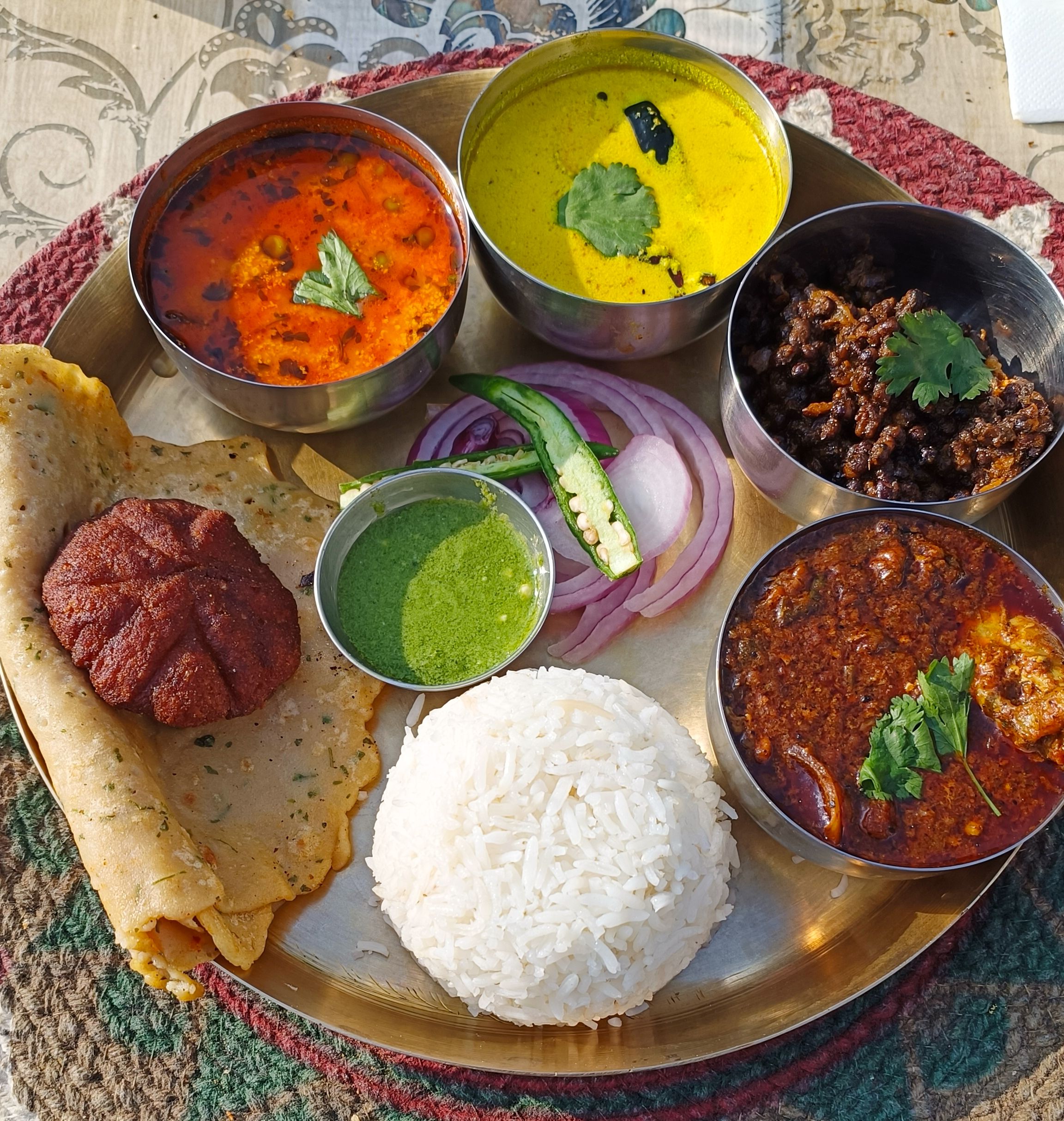 Kangri Dham
Gradually, the distinction between Tibetan and Himachali food softened. A plate of shaphaley one evening, siddu the next. Tingmos torn and shared. Kangri Dham's warmth and Tibetan comfort food coexisted without explanation.
What stayed with us wasn’t a particular dish, but the ease of it all. The way nobody asked where we were from. The way nothing needed translating. The way familiarity arrived without effort.
Only later did it occur to us that this was Bir’s quiet offering — not culture as something to observe, but culture as something you step into, sit with, and slowly become part of.
It wasn’t announced.
It simply happened.
Work followed us to Bir, but it no longer felt like something to push against. Cafés along Chaugan Road became familiar quickly. Laptops rested on wooden tables. Cappuccinos cooled slowly. Conversations rose and fell without urgency.
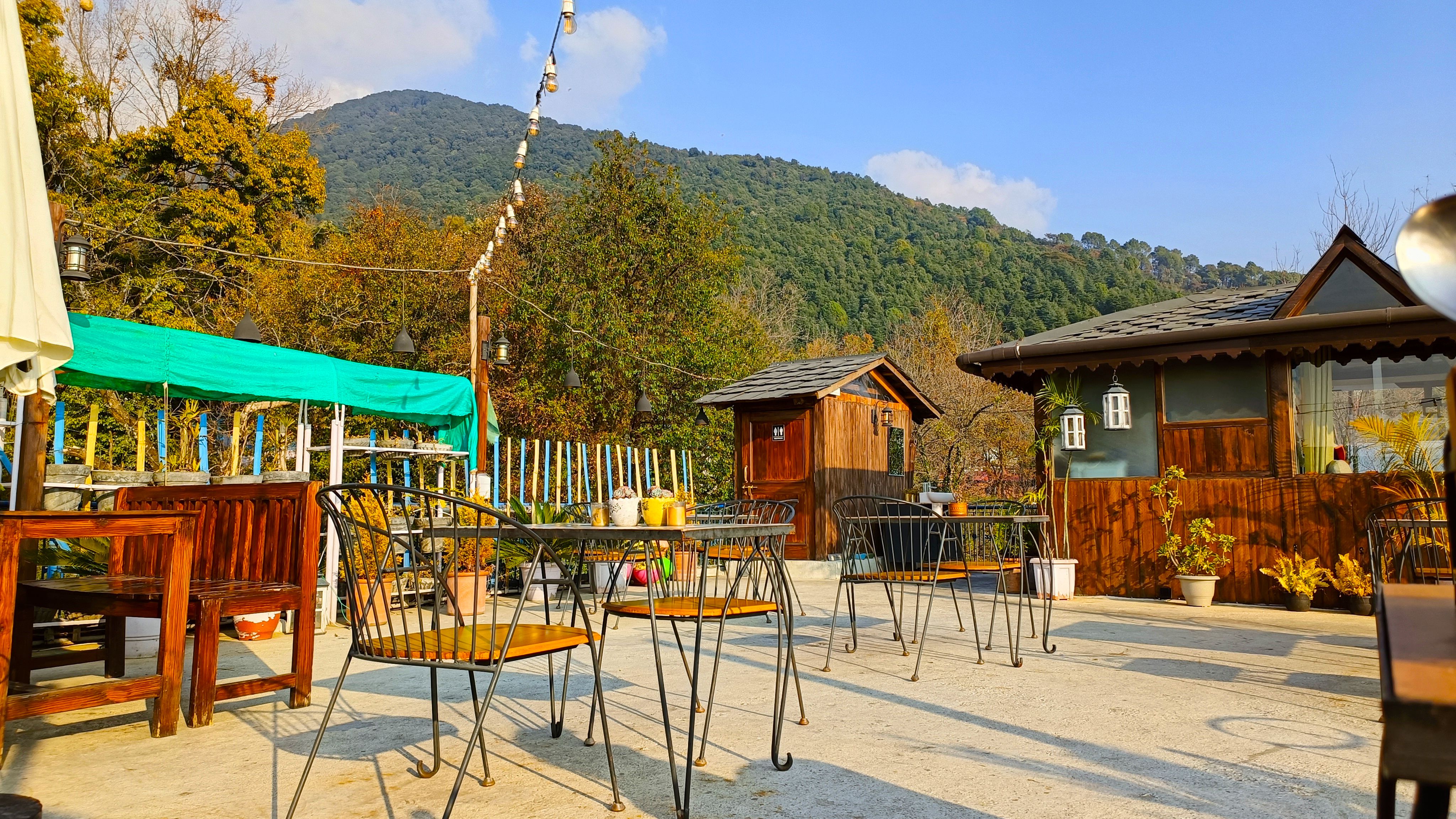
Around the rooftop cafes, mountains framed every moment — quiet reminders that time moved differently here.
Between meetings, we found ourselves stepping out — not to scroll, but to walk. To sit. To listen. The quiet halls of Chokling Monastery, a session at Deer Park Institute, hands shaping clay in a pottery studio — each offered a pause without asking for explanation.
Bir never asked us to disconnect.
It asked us to pay attention.
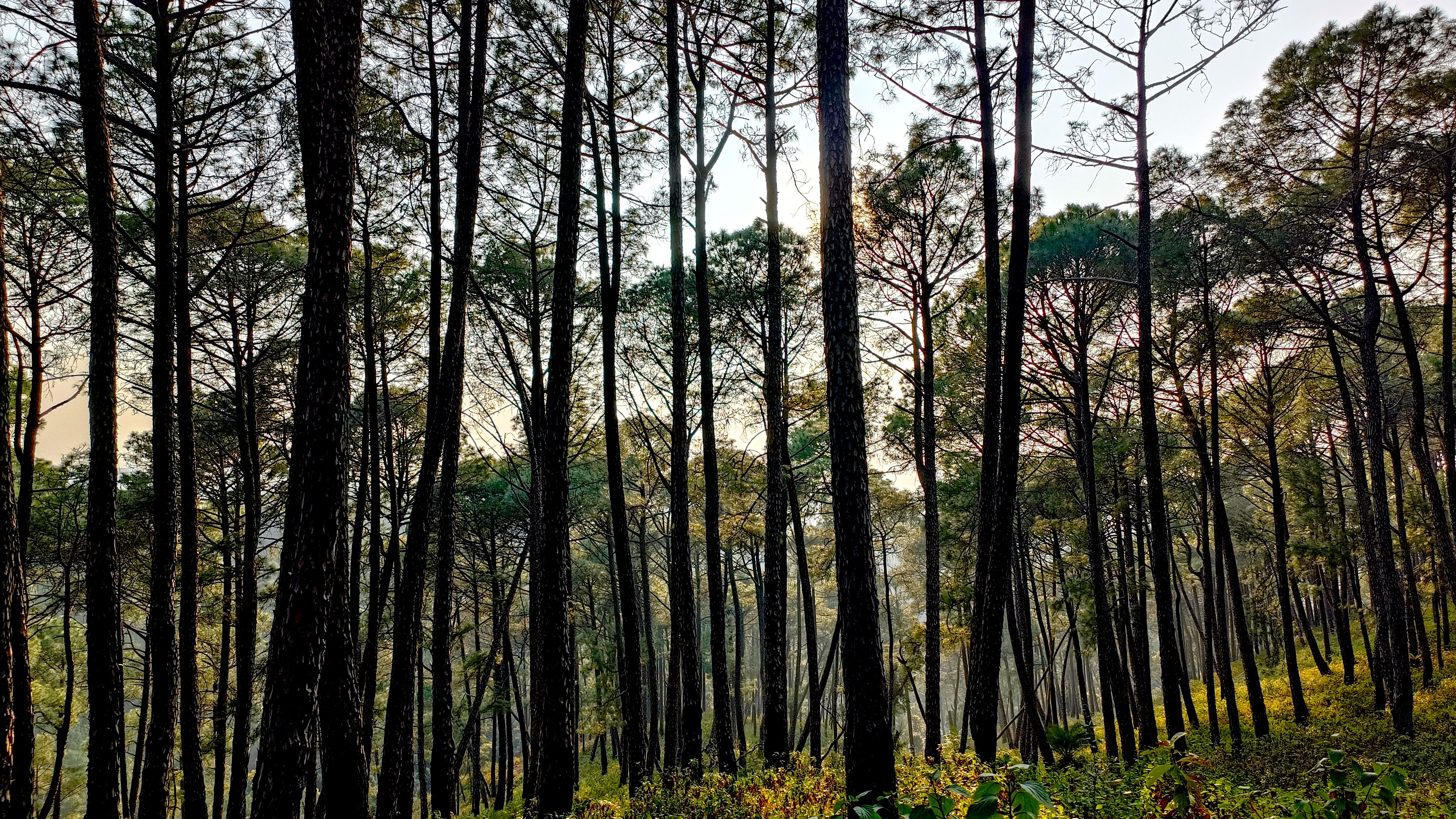
Days unfolded without plans. Walks through unnamed forests turned habitual. A cold dip in the river near Machyal village brought laughter and surprise as fish brushed past bare feet. Long sits at monasteries asked for nothing except presence.
Evenings often ended at the landing site, watching paragliders descend against skies that shifted from gold to indigo. The valley glowed quietly, as if aware of its own beauty but uninterested in proving it.
Bir didn’t overwhelm us with experiences.
It taught us how to stay with them.
Slow travel here wasn’t about avoiding life’s clutter. It was about giving it room. Bir didn’t silence our thoughts — it allowed them to surface, unhurried.
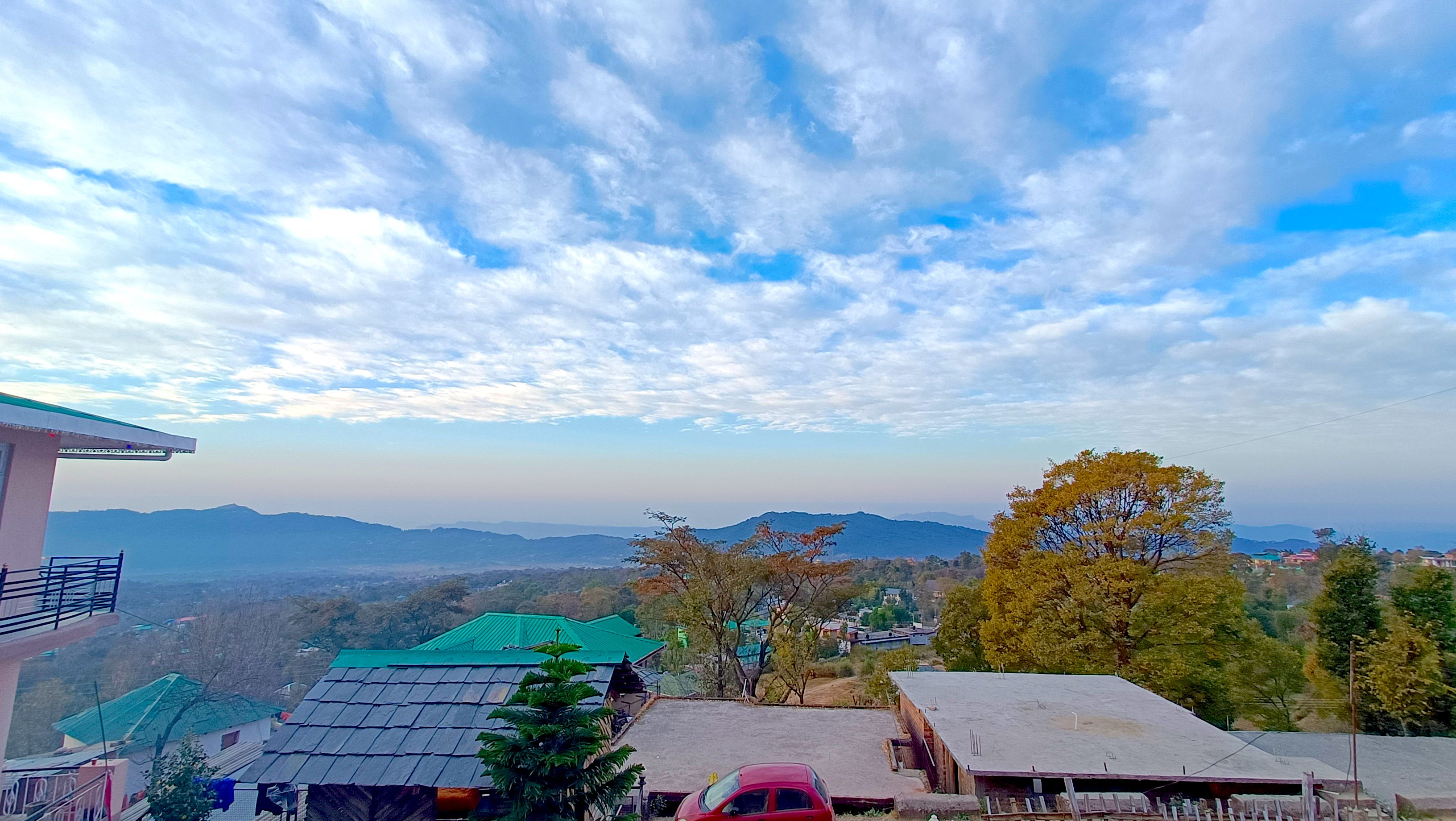
Decisions that once felt tangled began to breathe. Not because answers arrived fully formed, but because the noise softened enough for honesty to emerge.
We weren’t stepping away from life.
We were stepping back into it — steadier, more grounded.
On our last evening, we walked the same narrow road near our stay, fields darkening as the light slipped behind the mountains. A few windows glowed warmly. Prayer flags moved softly in the wind.
Somewhere, a kettle whistled.
Bir didn’t ask us to remember it.
It trusted that we would.
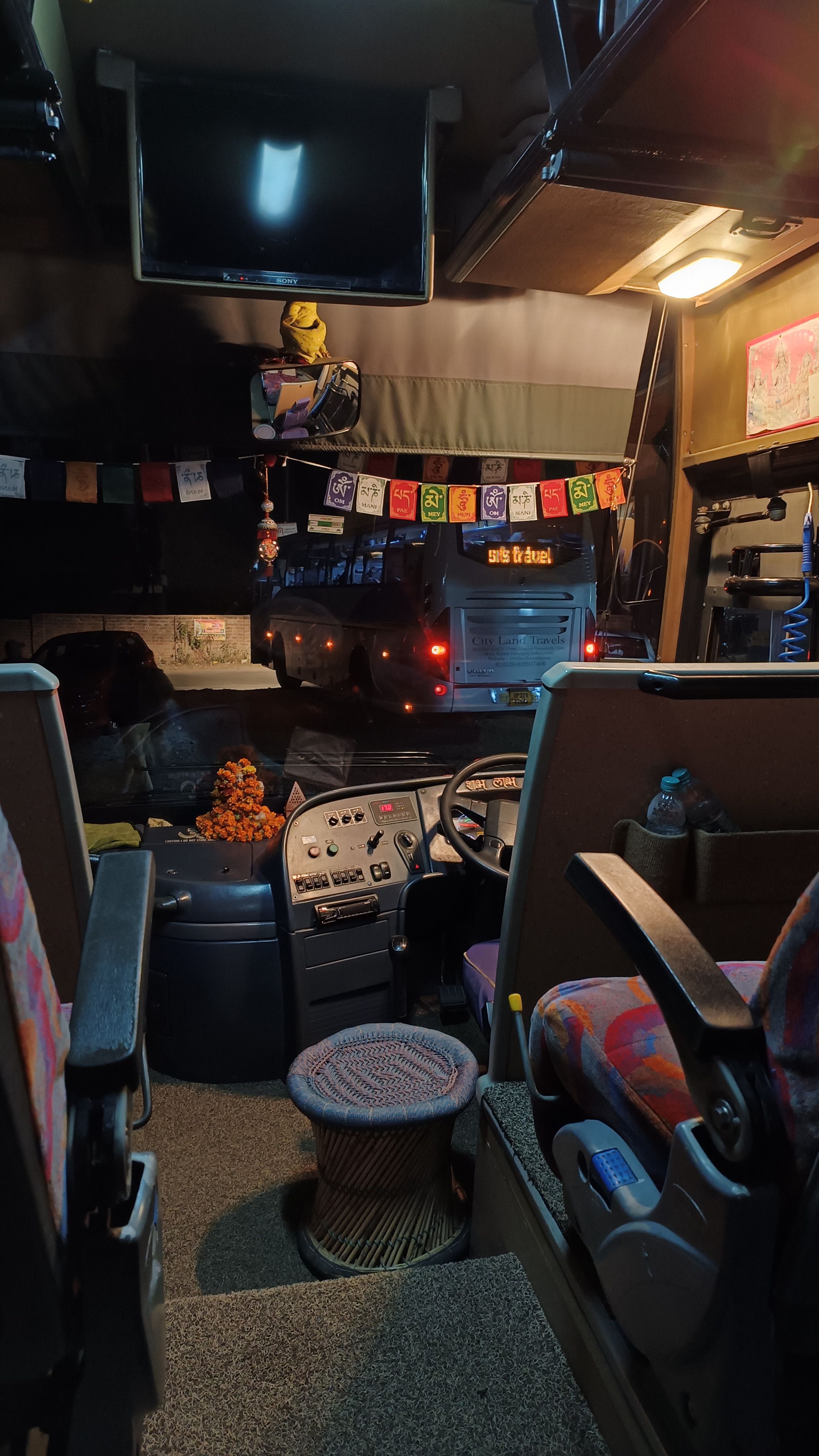
And as we boarded the bus, the valley slowly receding behind us, we realized something simple and certain:
Bir hadn’t changed our lives.
It had reminded us how to live them — without hurry, without noise, and without leaving ourselves behind.